Recent flooding isolated Lummi Nation. Here’s how the Tribe continued to provide services
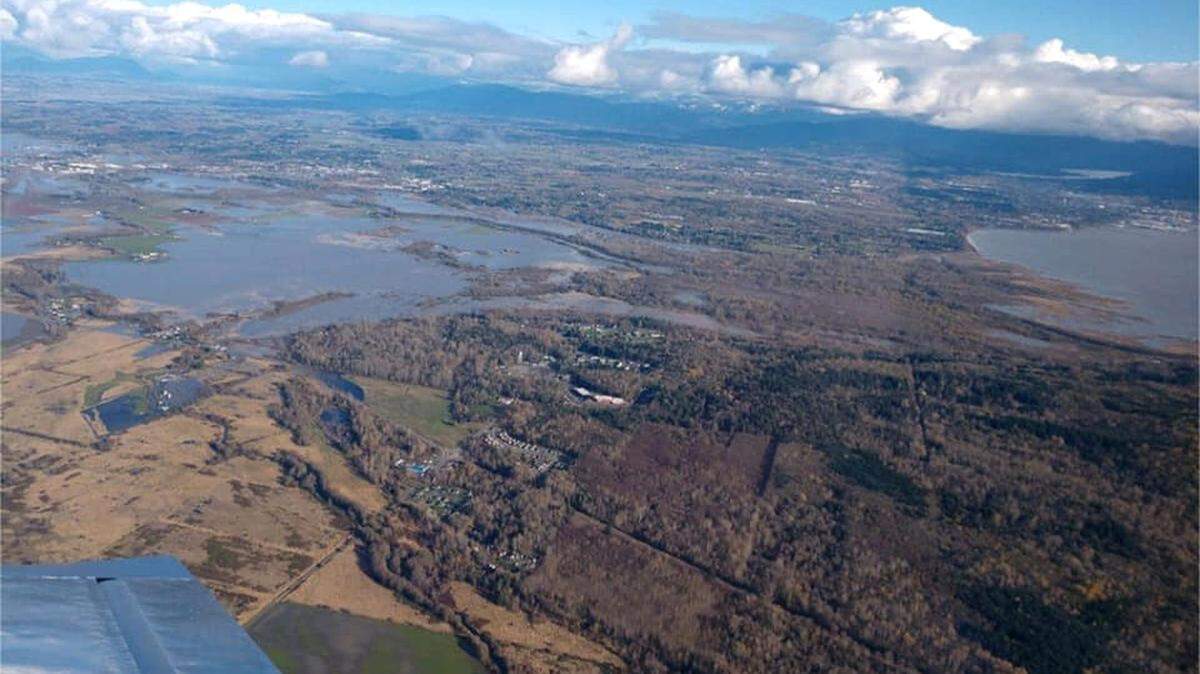
In Lummi Nation, heavy rains and flooding shut down all roads in and out last week, turning the nearly 21 square mile reservation into an island. Using boats and a dump truck, the Tribe’s crisis management team coordinated evacuations and ensured Tribal services provided food, supplies and essential medical and dental care after the record Nov. 13-15 storm.
The flooding began Sunday, Nov. 14 when heavy rains flooded the Nooksack River and spilled over levees in nearby towns. In some areas of the reservation, water levels rose between four and six feet, leading the Lummi Indian Business Council to declare a severe weather emergency.
“It came down so hard and so fast and got everybody by surprise. No one was able to plan,” Lummi Nation Tribal Chairman William Jones Jr. said Thursday, Nov. 18, in an interview with McClatchy.
About 20 Lummi families living on the reservation and throughout the surrounding cities were evacuated, with more than 100 people at the Tribe’s two shelters.
“Just prior to the start of the flood taking over the levees up in Sumas, we had begun preparing, not anticipating this much water. We started getting our emergency response folks fueled up and moved to the appropriate spots and as the water hit down here, it took over one of the main roads into the reservation,” said Lummi Nation Chief of Police Jay Martin.
Three main roads allow for traffic in and out of the reservation. Before the roads were shut down, some didn’t realize how deep the water was and tried to drive through but became stuck in the floodwaters. On Sunday night, the police department rescued at least five people. One police cruiser was submerged in the process, but has since been recovered, Martin said.
Throughout the first few days of flooding, Tribal police received calls from people needing to move their vehicles out of the flood zone and Lummi families in Lynden, Everson and Ferndale needing to be evacuated. Some workers at the Tribe’s Silver Reef Casino who live off the reservation sheltered in place. The Tribe used the casino and the Wex’liem Community Building as emergency shelters.
The police department equipped a dump truck with a snowplow to help with evacuations, rescues and supply runs.
On Wednesday morning, Nov. 17, two Lummi fishermen attempting to get to their boat became stuck in the floodwaters. While trying to restart the vehicle, it caught on fire.
“The dump truck happened to be there and picked them up and brought them up to dry land,” Jones said.
Medical services continued
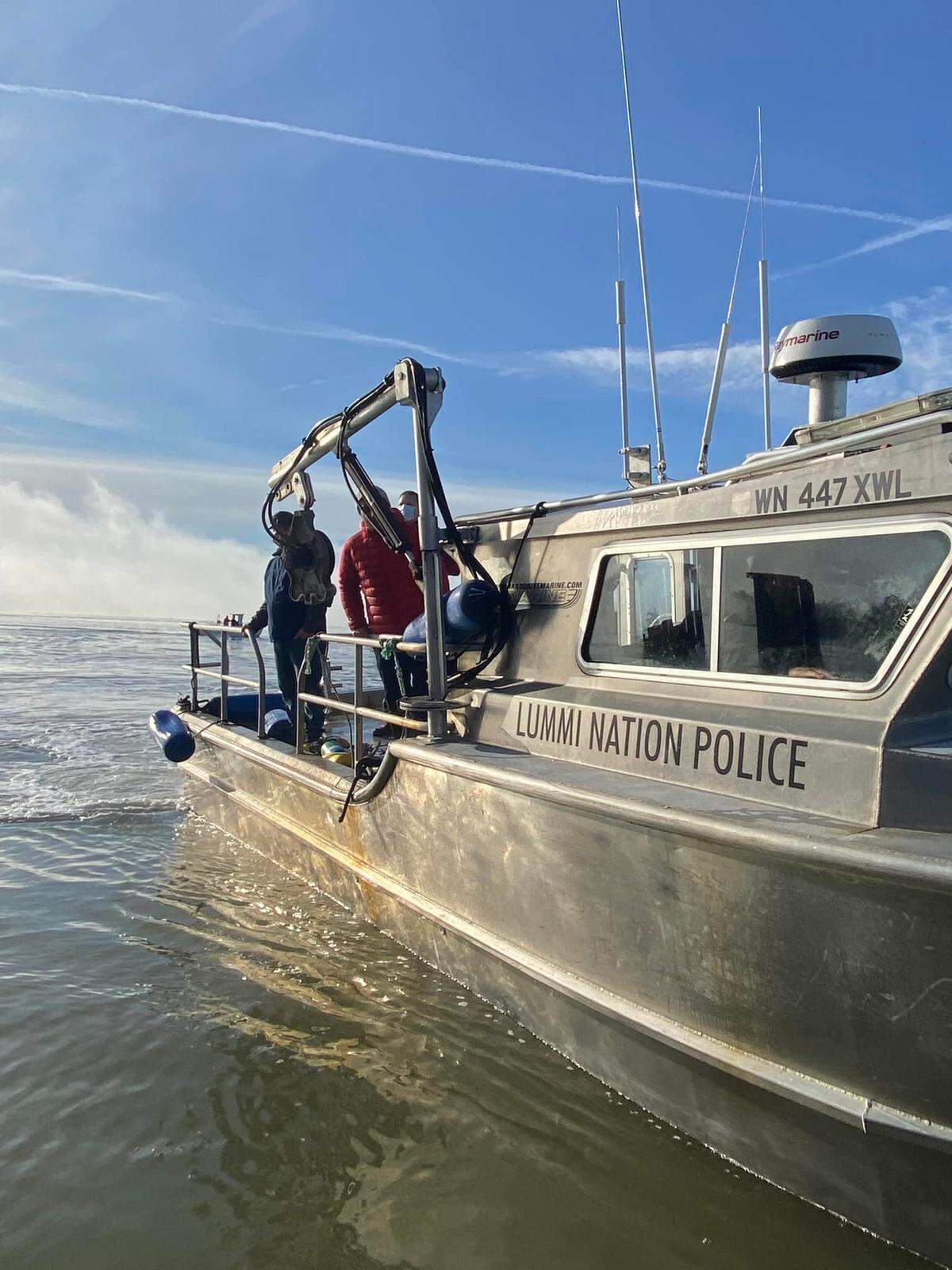
The Lummi Tribal Health Clinic — which serves 5,000 Native Americans throughout Whatcom County — shut down on Monday and had two providers working in shifts for emergencies. Throughout the week, more staff were transported to and from the clinic by the police department, that brought staff from Squalicum Harbor in Bellingham to the reservation via patrol boats.
On Tuesday, Nov. 16, the clinic was able to provide essential services with 15 visits and 50 medication refills. On Wednesday, Nov. 17, they expanded telemedicine service and provided about 50 visits, 10 dental visits and over 100 medicine refills. When roads began to open up Thursday, a shuttle drove 50 staff members to the clinic, allowing it to provide full service for the first time since the flooding.
There were no known serious injuries, but keeping the clinic running was a priority to provide essential services to elders and children as COVID and flu transmission remain concerns.
“Full service allows us to continue to service our community. It’s been quite an adventure,” said Lummi Health Clinic Director Dakotah Lane.
The Tribe’s Commodity Foods office provided emergency food boxes, diapers, baby formula, fireplace logs and propane to those in need. When roads allowed, the office operated a drive-thru style distribution, delivered food to those sheltered at the casino and lunches to clinic staff. The office served over 200 people each meal, Lummi Community Services Director Elaine Lane said.
‘Community came together’
“All our departments came together and played a role in helping keep our people safe and staying ahead of what needed to be done,” Chairman Jones said. “One of the things that really took me back is how the community came together. Anything that was needed was readily given.”
Using the Tribe’s Facebook page, Tribal services communicated updates, members shared their needs and leaders — like Councilman Nickolaus Lewis, who gathered volunteers for sandbagging in Ferndale earlier this week — worked with the community to make sure everyone was taken care of.
Jones said essential staff, needing to take alternate routes or boat rides into the reservation, woke up hours earlier than usual to make it to work and provide for the Tribe.
“Our days blurred together. The crisis management team worked around the clock. You can’t ask more than that when thinking about everyone’s safety,” Chairman Jones said.
Water levels were down to about 8 inches on Thursday, allowing for roads to open temporarily. As of Friday, fluctuating water levels closed some roads and allowed others to be open to all traffic or passable with a pilot truck. An hourly shuttle is transporting those in need from the Silver Reef Casino to Tribal services throughout the reservation.
Ferndale schools reopened Thursday and the district worked with the Tribe to transport students living on the reservation or in the Tribe’s shelters. Lummi Nation School remained closed Friday.
Lummi Nation Police Department is keeping a close watch on rising floodwaters, shutting down roads for road integrity if necessary.
The nearby Nooksack Indian Tribe also declared a state of emergency Monday, closing its Deming Tribal offices and health center due to severe flooding and unsafe road conditions.
Seasonal flooding
Jones said people on the Lummi reservation, located on a peninsula, are used to regular seasonal flooding.
“We usually have one way to get out or go to grocery stores. Every road off the reservation was engulfed at one point,” Chairman Jones said. “What impacted us the most was we have one store that ran out of groceries right away. Everything on the shelf was gone except a few soft drinks.”
The chairman said that typically Tribal members go on supply runs before heavy rains and shelter in place during flooding, but the flooding came so quickly and unexpectedly that many people got stuck trying to make supply runs.
Disastrous floods impacting the Tribe in the 1970s and 1990s allowed them to put in place a crisis management team and other ways to prepare for disasters.
But preliminary data from the U.S. Geological Survey found the Nooksack River had its highest flow on record and the National Weather Service reports the last few days were the rainiest stretch of weather on record in the area.
Impact on roads, salmon
In a recent call with Gov. Jay Inslee, Jones said the Tribe shared the impact of the flooding and the need to raise the three roads that connect the reservation to outside communities to ensure Tribal members can receive supplies or evacuate in the case of an emergency.
Jones said the Tribe’s Natural Resources Division took aerial photos of the flooding Tuesday afternoon to assess the damage and share with the governor.
“It’s a good time to lobby for our people to get our roads raised to the proper flood height,” Jones said.
BEHIND THE STORY
MOREPlease help support this reporting
Natasha Brennan covers Washington state tribes’ impact on our local communities, environment and politics, as well as traditions, culture and equity issues, for McClatchy media companies in Bellingham, Olympia, Tacoma and Tri-Cities.
She joins us in partnership with Report for America, which pays a portion of reporters’ salaries. You can help support this reporting at bellinghamherald.com/donate. Donations are tax-deductible through Journalism Funding Partners.
You can sign up for her weekly newsletter here.
In the 1990s, the Tribe started raising roads on the west side of the Nooksack River and finished about 50% until funding ran out, Jones said.
“We need to at least have one route to get the resources needed to hunker down during these disasters,” Jones said.
The Tribe also has concerns for how flooding will impact farmlands and salmon.
Earlier this week, it was announced the Lummi Indian Business Council Coastal Resilience Project will receive nearly $100,000 from the National Fish and Wildlife Foundation and NOAA to develop a coastal resilience strategy and project that will address significantly impacted marine resources that affect their health, well-being and livelihoods.
The funding from the government agencies is projected to further prioritize strategies to address flood risk and water quality, salmon and shellfish harvest and protection of potable groundwater systems.
This story was originally published November 21, 2021 at 5:00 AM with the headline "Recent flooding isolated Lummi Nation. Here’s how the Tribe continued to provide services."