Own a dog? You might be contributing to harmful pollution in Bellingham creeks
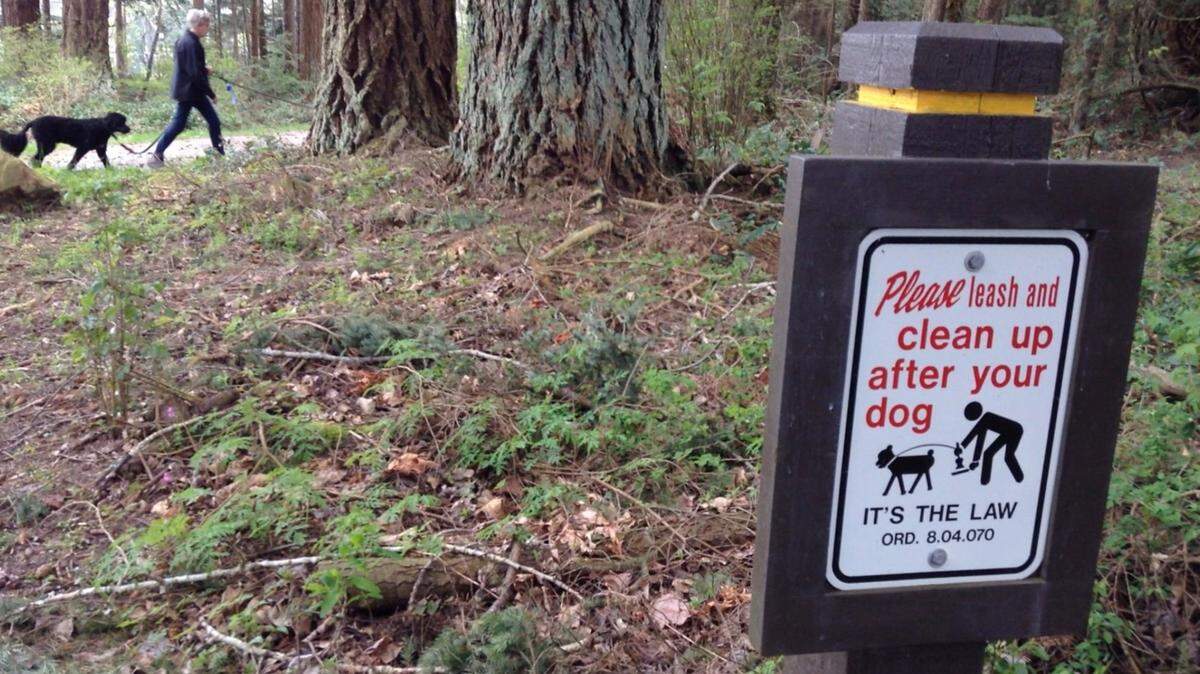
Bellingham residents love their friends with four legs. The city boasts roughly one dog for every four humans, according to numbers from Bellingham’s Public Works department.
But with dogs comes, well, lots of dog poop — about 16,000 pounds a day in Bellingham, estimates Public Works Environmental Education Coordinator Emily Hegarty.
“The most shocking thing for people is to think about how much poop there actually is,” Hegarty said.
All this pet waste is likely causing water quality problems throughout the city. It may look like pet waste disappears in the rain, but in reality, it breaks down and is swept into local waterways, such as creeks and Bellingham Bay, she said.
Harmful levels of fecal coliform bacteria have been found in all of Bellingham’s urban creeks, making them unsafe for recreation, according to the city of Bellingham. This bacteria, including E. Coli, roundworms, and salmonella, can cause disease when ingested, and the illnesses can spread between dogs, wildlife and humans, Hegarty said. Some of these pathogens can survive in water and soil for months before infecting a host, according to the city of Bellingham.
Hegarty pointed to Little Squalicum Park as a problem area, since there is an off-leash dog area and folks may not notice when their pets poop. The bacteria then gets washed into the nearby Squalicum Creek. A city volunteer counted 461 unscooped poops at the park in July, Hegarty said.
“There are people playing in the outfall of that creek,” she said. “I wouldn’t let my kids play in that water.”
High levels of fecal coliform bacteria can shut down shellfish harvesting since it builds up in the tissue of oysters, clams and mussels. The nutrients in pet waste can also contribute to harmful algal blooms in lakes, which can kill fish and other animals, according to the city of Bellingham.
Through public surveys, the city found that Bellingham residents do pretty well at cleaning up after their pets. The majority of people scoop their pet’s waste at least once a week at home and most of the time on walks. But there’s always room for improvement, Hegarty said, since even a little bacteria can negatively impact water quality.
“Stormwater is one of those things where we all have a little responsibility for it,” said Kirsten McDade, pollution prevention specialist at Bellingham-based environmental nonprofit RE Sources. ”But people just don’t know.”
A majority of pet-owners surveyed by the city say that they put the poop in the trash. That’s a good thing, Hegarty explained — pet waste shouldn’t go in the compost bin, since compost is not heated to high enough temperatures to reliably kill all the pathogens.
Fecal bacteria can come from other sources too, including malfunctioning septic systems, wildlife excrement and homeless encampments, Hegarty said. But there are barely any septic systems within city limits and wildlife poop is natural, she explained, so encouraging people to pick up their pet’s waste is a big ticket item when it comes to addressing fecal coliform bacteria in local waters.
Residents interested in doing more to prevent this pollution can sign the city’s We Scoop pledge, which is a promise to pick up pet waste at least once a week at home, always scoop poop on walks and throw the bagged waste in the trash. Pet-owners who make the pledge will receive a sticker to put on their curbside trash can, in order to raise awareness, as well as a free toolkit including a bag dispenser and bag-carrying clip to attach to their dog leash.