This Bellingham Bay cleanup is taking longer than expected. Here’s why
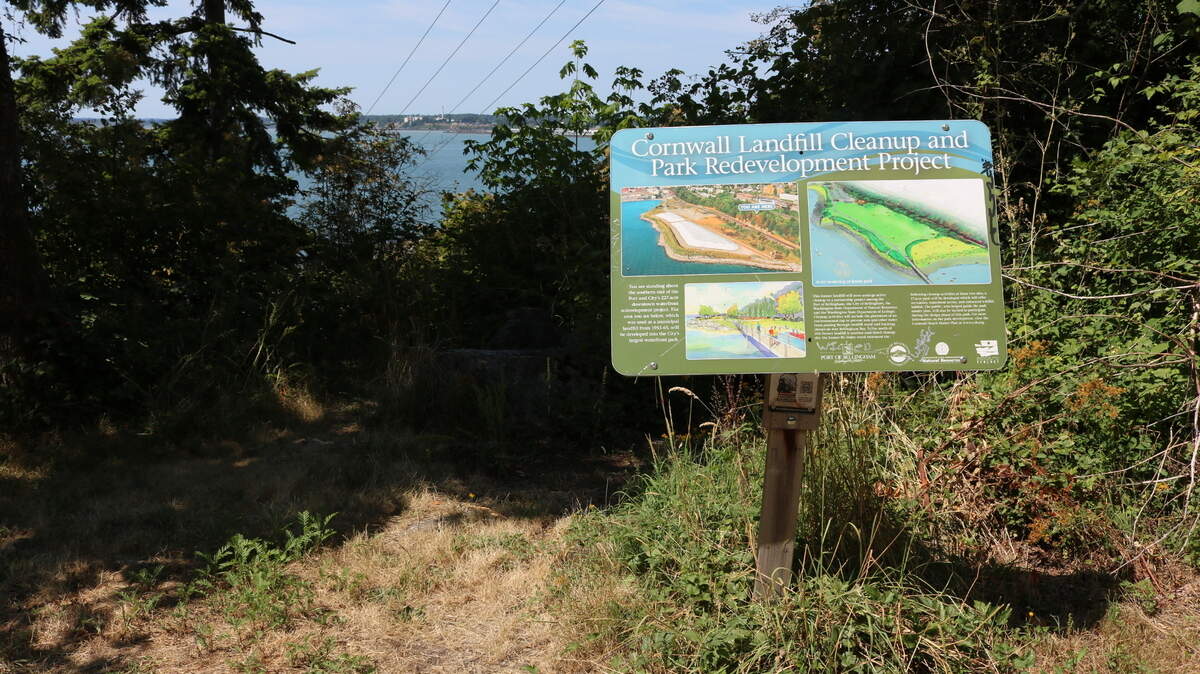
If you’ve strolled along Bellingham Bay at any point in the last few years, you’ve probably seen the sign on South Bay Trail — the city of Bellingham has big plans to clean up two former industrial sites, transforming the waterfront area into a public access point informally called Cornwall Beach Park.
“It has the potential to become one of the gems of the city park system,” said Craig Mueller, a project engineer with the city. “It’s a large open area with expansive views.”
The only challenge? The cleanup planning process has been in the works for nearly a decade, due to lengthy bureaucratic processes at the city, state and federal levels. In 2015, construction was expected to begin in 2017. Now, officials are hoping for a start date of 2023. The project is currently in the engineering design process and permitting is anticipated to begin in the coming months.
“It’s working through all the agencies, making sure this is done well and will protect the public as well as the environment,” Mueller said.
For as long as Mueller has been involved with the project — about 10 years — the running story has been that construction would begin in two years. The date keeps getting pushed back not because there are hugely unexpected delays, he said, but simply because the project is complicated and needs to wind its way through a number of regulatory bodies before construction can officially kick off.
“This one will have a lot more eyes on it,” Mueller said. “It’s complicated because it’s on the bay. It’s a more varied habitat than, say, a creek project.”
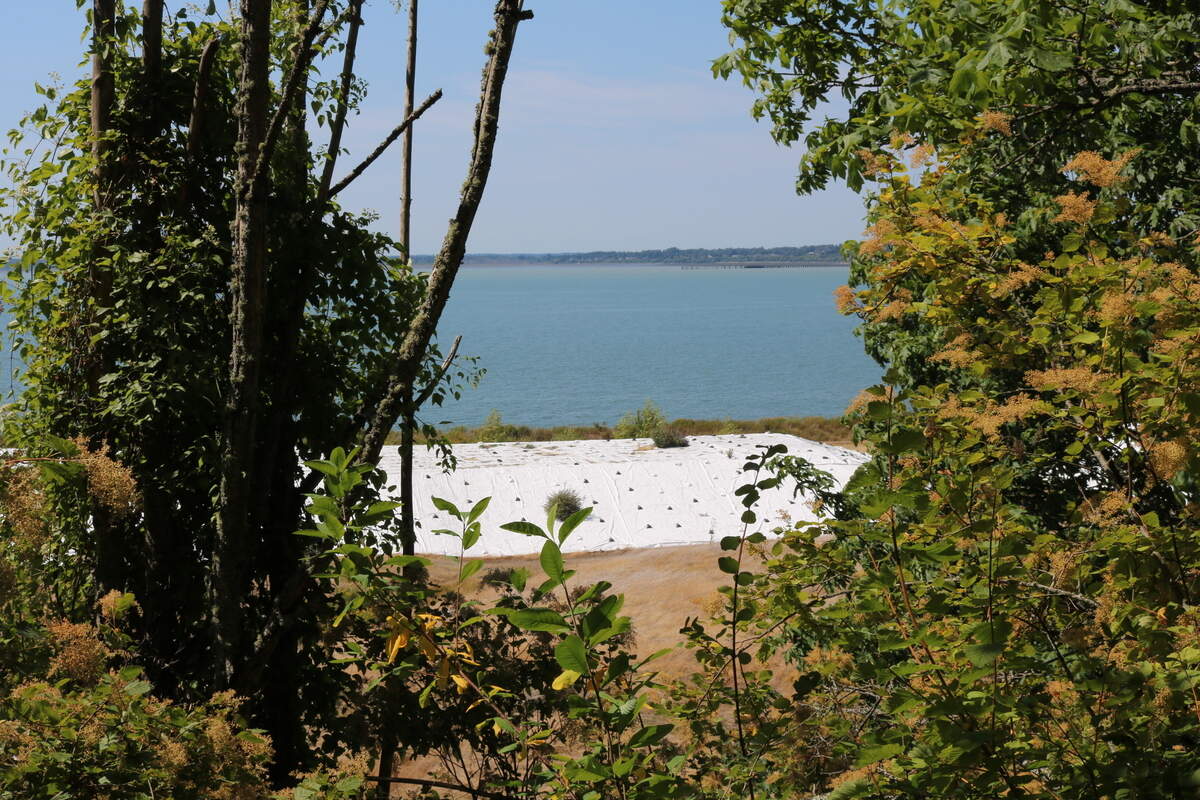
Two adjacent sites make up what will one day be Cornwall Beach Park. The first is the Cornwall Avenue Landfill site, which was formerly a dump. It was also home to sawmill operations, log storage and warehousing operations at points throughout history. The site is estimated to contain 295,000 cubic yards of municipal waste and 94,000 cubic yards of wood waste. The Port of Bellingham is managing cleanup at this site, which is 13 acres of land and about 3.5 acres in the water.
The city is managing cleanup of the second site, known as the R.G. Haley site. This plot of land was formerly home to wood treatment operations and was last used for this purpose in 1985. Bellingham purchased the site for $1 in 2009, agreeing to take on all the environmental cleanup costs. Various toxic wood treatment chemicals have been identified at the R.G. Haley site, from diesel fuel-related hydrocarbons to pentachlorophenol, which is very toxic to aquatic life and may cause cancer in humans.
Overall, the project is estimated to cost around $30 million, with $16 million going toward the R.G. Haley site and $9 million to $15 million allocated toward the Cornwall Avenue Landfill site. However, as designs are finalized, these numbers may change, Mueller said. Up to half of the cost will be covered by the state Department of Ecology through a remedial action grant program that helps to pay for cleanups at publicly owned sites. The rest of the cost will be covered by state and local funding, much of which has yet to be officially allocated.
In the meantime, the pollutants at the sites could still be seeping out into the bay and surrounding areas, said Chad Schulhauser, a city engineer. Part of the cleanup entails placing a plastic cap underground to prevent chemicals from migrating, and the quicker that happens, the better.
“It is absolutely better to put the cap on sooner,” Schulhauser said. “It’s just a matter of these things taking time. We are moving forward with them.”