What sounds like a cow bellowing ‘jug-o-rum’? A critter that threatens Whatcom natives
A good-sized female American bullfrog plopped on a large dinner plate will fill that plate. She and others of her kind are hefty eaters — with a taste for smaller native frogs, waterfowl hatchlings such as mallard and wood ducks, and anything else they can fit into their big mouths.
“Right down the gullet. They will eat anything,” said Vikki Jackson, a wetland ecologist and program manager for the Whatcom County Amphibian Monitoring Program.
The big bullfrogs, Lithobates catesbeiana, aren’t native to the Pacific Northwest, and they are here in Whatcom County.
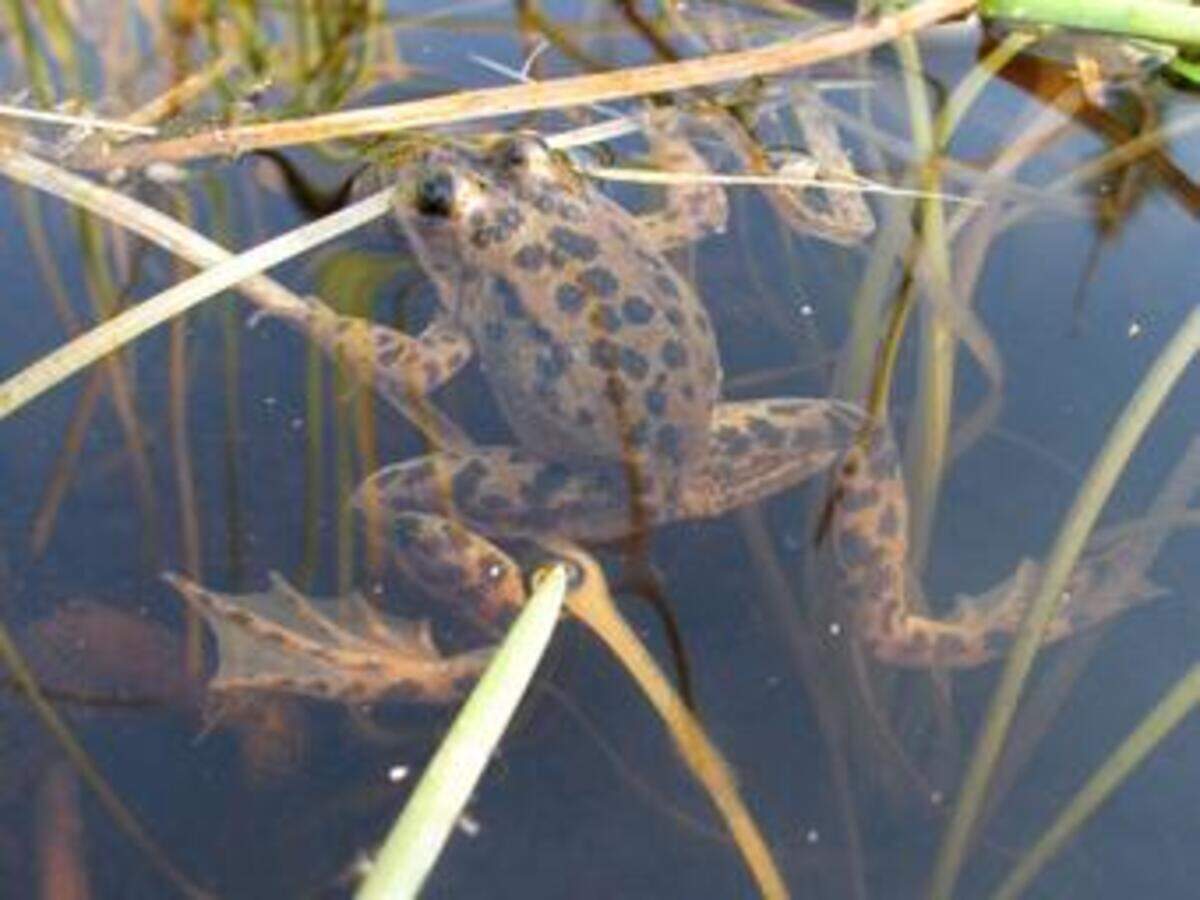
The fear is that they will push out native Oregon spotted frogs — discovered in what is now the Tacoma area when it was still part of the Oregon Territory — which are listed as threatened under the federal Endangered Species Act and as endangered in Washington state.
The native frogs already have been pushed to the brink by habitat loss and the encroachment of the non-native reed canary grass, which can overtake wetlands and make them unusable for the frogs.
A large Oregon spotted frog might be about 4 inches in size. A bullfrog is twice that.
“There’s a huge difference in size,” Jackson said.
Then there’s the attitude.
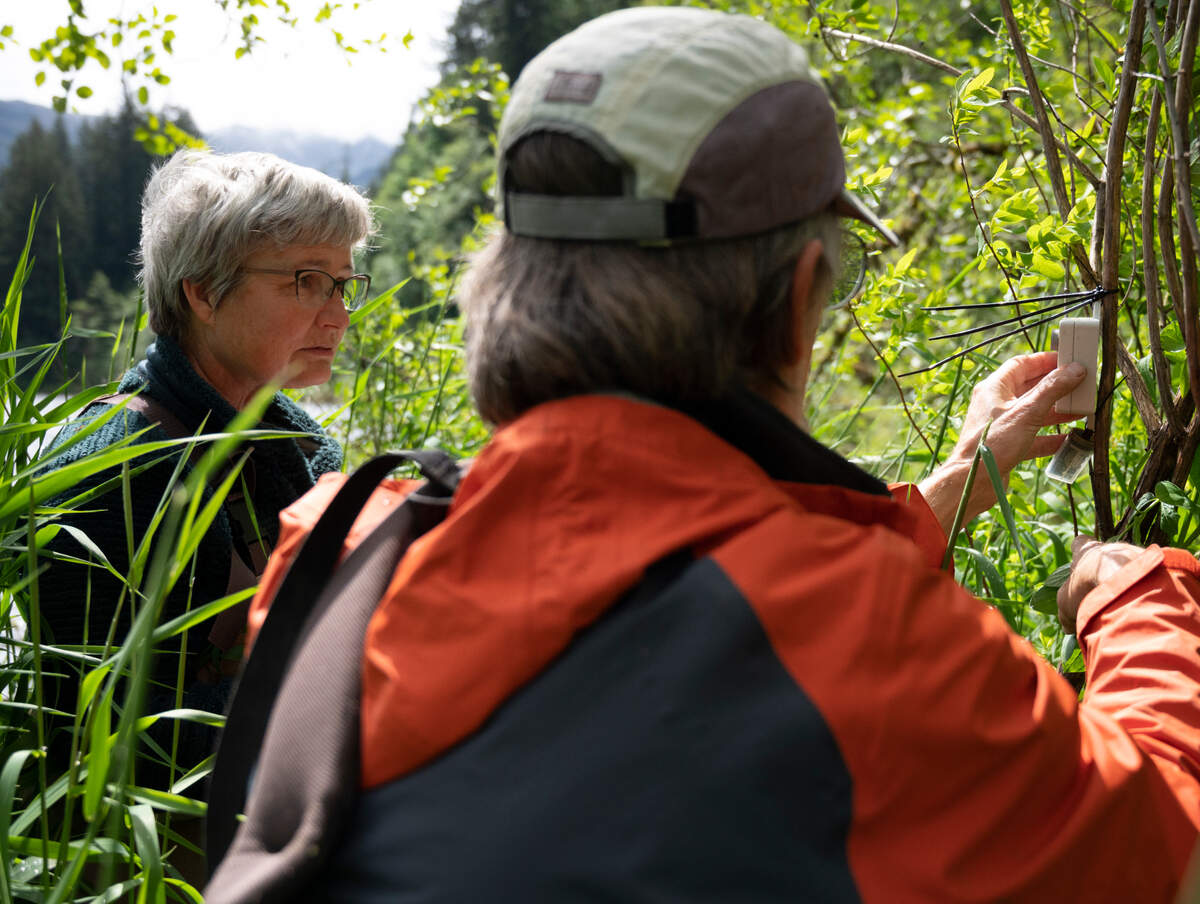
“Bullfrogs are bullies. They are very territorial,” Jackson said, adding that they’ll remove anything they don’t want in their space by intimidating it or eating it. That includes other native amphibians.
What’s more, Oregon spotted frogs and bullfrogs like the same sorts of habitat — warmth, sun and a permanent water source such as natural wetlands, lake, stream or pond. Other sources of water such as stormwater ponds and wet pastures also are favorites.
When they’re feeling frisky the bullfrogs, which are native to the eastern U.S., have a mating call that has been described as a low baritone chorusing that sounds like “jug-o-rum“ or like a cow bellowing “jug-o-rum.“
When startled, they make a very different sound, more like a high-pitched squeak or chirp, or an “alarmed eek,” according to Jackson.
Sound protection
What they sound like matters because scientists and the public will use it to help hone in on where the bullfrogs are, and aren’t, in Whatcom County as part of ongoing work to protect the Oregon spotted frog, Rana pretiosa, or “precious frog.”
The hope is to find the bullfrogs before they overwhelm areas of Whatcom County.
“Once they’re established, they’re nearly impossible to remove,” said Teal Waterstrat, an endangered species biologist with the U.S. Fish & Wildlife Service.
For its efforts to monitor and restore the Oregon spotted frog’s habitat, the U.S. Fish & Wildlife Service has named the Whatcom County Amphibian Monitoring Program the 2020 Recovery Champion.
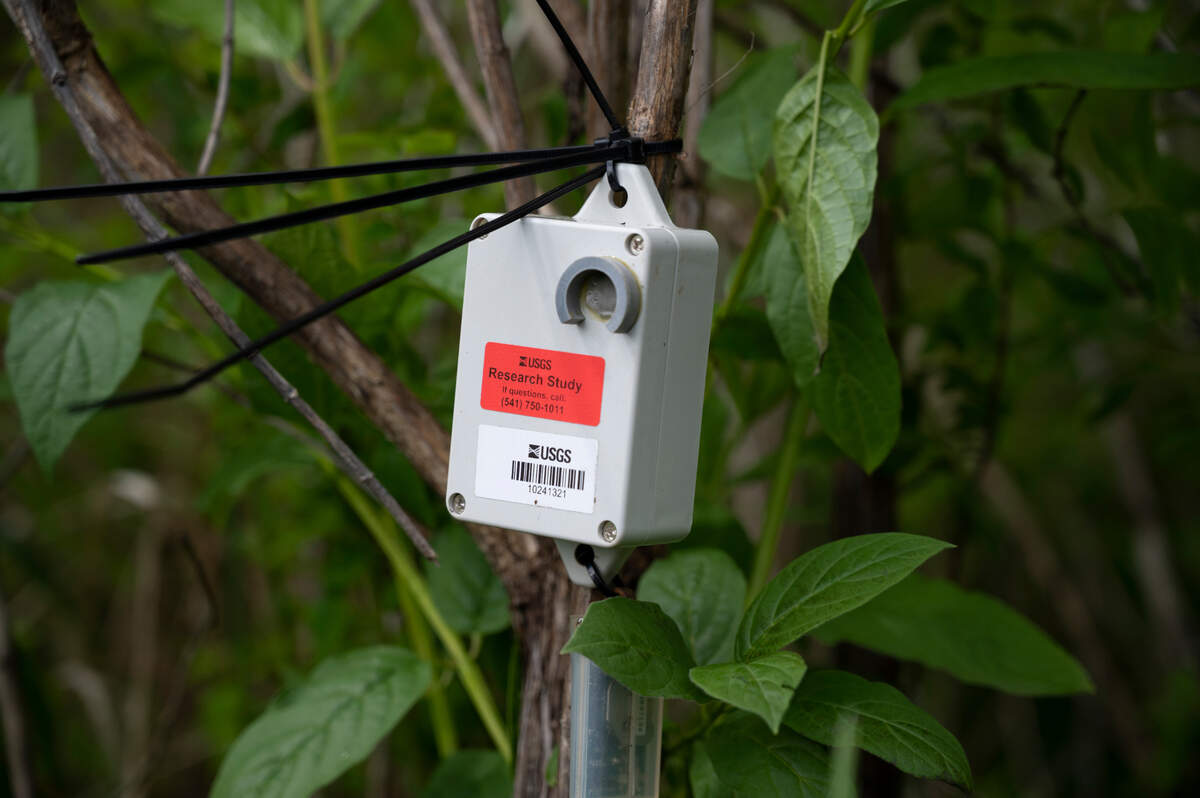
Next up for its efforts, the Whatcom County Amphibian Monitoring Program is overseeing a call survey in Whatcom and Skagit counties from mid-June through August, or the breeding season. It is part of a larger regional project under the U.S. Fish & Wildlife Service.
It has two parts:
▪ In Whatcom and Skagit counties, scientists are strapping 12 small recorders on trees that will record from 8 p.m. to 2 a.m. They will pick up sounds at the frequency made by the bullfrogs.
▪ A call for residents to lend their ears by listening for the bullfrogs and reporting their results to the Whatcom County Amphibian Monitoring Program via a survey form. Details are at whatfrogs.wordpress.com. Click on “Projects” on the top menu bar and then select “Chasing Invasives” to learn about the survey for the American bullfrog.
In addition to the bullfrogs, people also are being asked to listen for green frogs, which Jackson described as smaller cousins to the bullfrogs.
“The sounds of these frogs are pretty distinctive,” Jackson said.
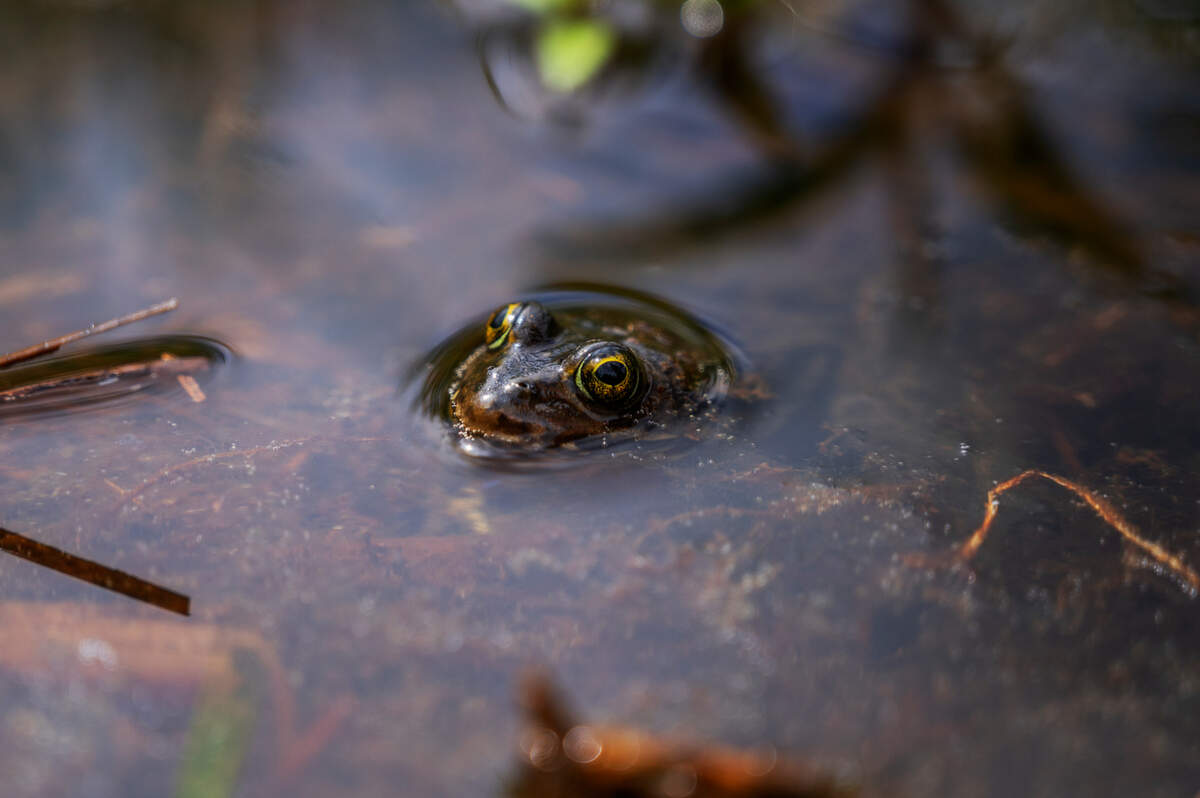
Green frogs also are not native to the Pacific Northwest, their home territory being the Eastern U.S. Whatcom County is the only place in Washington state where they are well-established, according to the Whatcom County Amphibian Monitoring Program.
Both bullfrogs and green frogs were introduced to the Pacific Northwest for use in decorative ponds, for frog-leg farming and as pets.
Green frogs, Lithobates clamitans, were brought to Toad Lake more than a century ago, according to the Whatcom County Amphibian Monitoring Program.
The green frog mating call has been described as being like a series of “banjo-like twangs.” The sound they make when startled is similar to that of the bullfrog.
Jackson said it’s unknown if the green frogs, which resemble bullfrogs but are about half the size, are causing a problem for the Oregon spotted frogs, but given their numbers, it’s hard to believe that they’re not.
Scientists, with the help of the public, also are trying to get a sense of where they are in Whatcom and whether they’re spreading south from the county.
People participating in the listening project will extend the reach of the recorders and help shape what is a learning curve this year in a multi-year project.
“It will help strengthen the recording data that we will have that’s coming from there,” Jackson said, adding, for example, that if the bullfrogs call during the day that might be missed without the help of the public’s participation.
Waterstrat praised the monitoring program’s efforts on behalf of the Oregon spotted frog.
“That group has been our champion for the frogs up there,” Waterstrat said. “They’re really holding the line against extinction for the species in Whatcom County.”
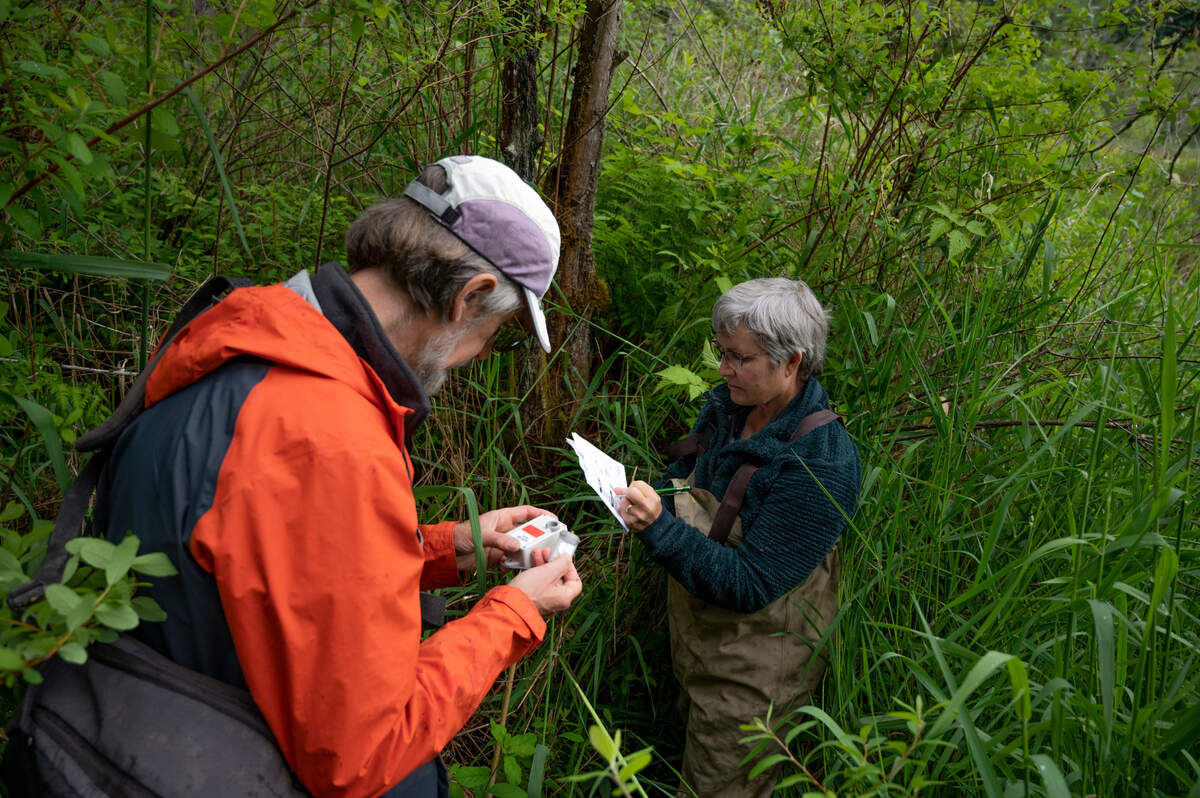
To help
More information on the effort to track invasive American bullfrogs and green frogs by listening for them can be found on the Whatcom County Amphibian Monitoring website at whatfrogs.wordpress.com.
People who want to help gather data on the frogs by listening for them can learn about the frogs and the project in a session at 6 p.. to 8 p.m. on Friday, June 18, at Tennant Lake, in the Fragrance Garden area.
Register for the event by going to the website above, which also has photos of the frogs.
This story was originally published June 15, 2021 at 5:00 AM.