What’s that in the water? Here’s why Chuckanut Bay sort of looks like tomato soup
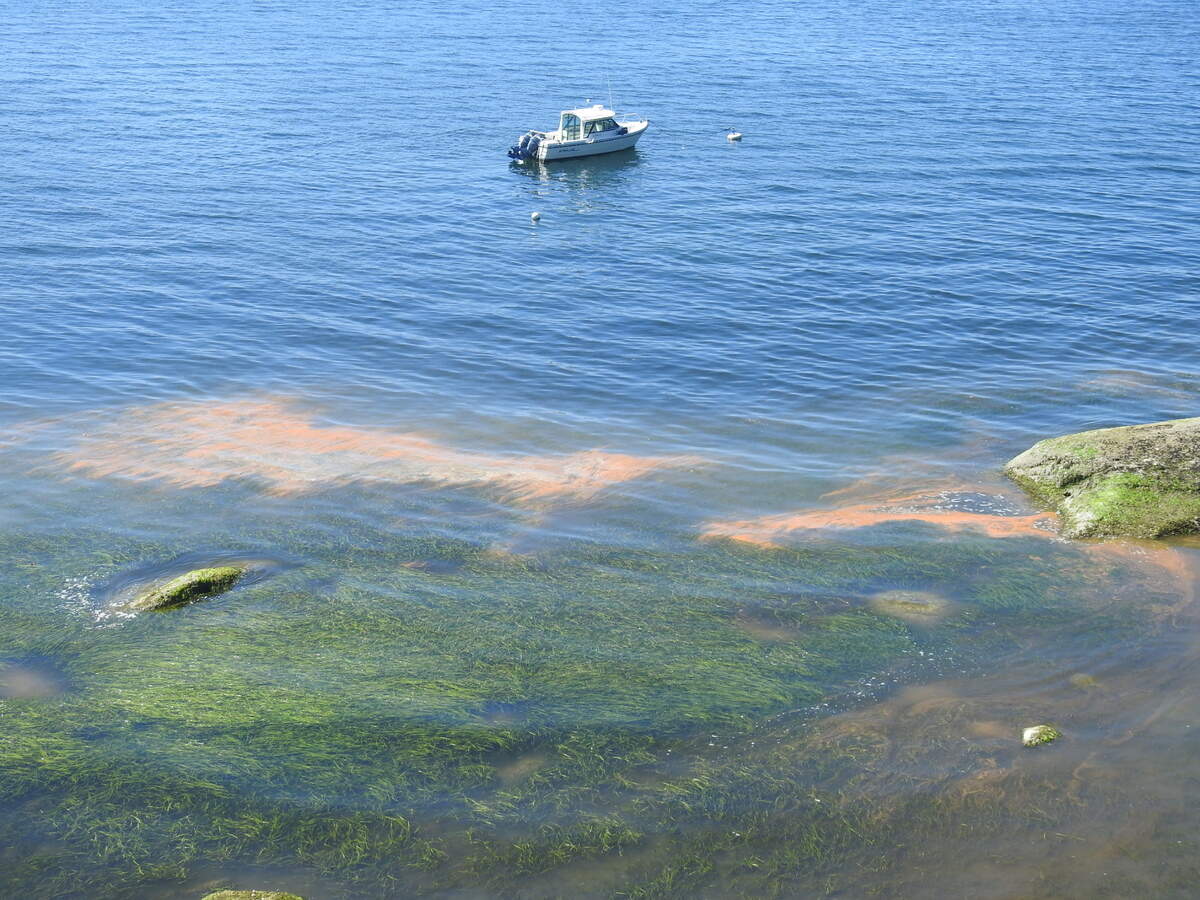
Scientists say the rusty-red patches people have been seeing on the surface of Chuckanut Bay in recent days are remnants of a single-celled organism called Noctiluca.
They aren’t toxic to people, but you don’t want to go swimming through Noctiluca blooms like the one in Chuckanut Bay. Keep your pets away as well, advised Christopher Krembs, lead oceanographer with the Washington State Department of Ecology.
That’s because the bloom contains a lot of ammonia, he explained to The Bellingham Herald, and that can kill juvenile fish.
Such blooms are common in Puget Sound, and Ecology has been monitoring their frequency and size through a program called Eyes Over Puget Sound, which monitors the water quality and health of the sound.
That monitoring had included flying over Puget Sound, which Ecology described as a “deep urban fjord,” but not this year because of COVID-19 and the need for social distancing.
Noctiluca blooms have been seen in Puget Sound where they have been described as an “orange tide,” since at least 1946, according to Ecology, which also describes the color as kind of like tomato soup.
Noctiluca is a plankton, specifically a dinoflagellate about the size of a millet grain. It feeds heavily on diatoms, according to Krembs.
Diatoms are single-celled algae that “live in houses made of glass,” according to the website diatoms.org.
“They are the only organism on the planet with cell walls composed of transparent, opaline silica,” the website states.
So Noctiluca chomp away at diatoms until there are no more to eat. And then they starve and die.
“When they run out of food, they come to the surface, which is when we see them,” Krembs said.
A bunch of them together creates a bloom. Nothing else eats Noctiluca because it’s “chock full” of ammonia, he said.
On an Ecology post on Twitter, Krembs indicated he hasn’t documented one in Chuckanut Bay in 10 years, although other scientists say they have seen it in nearby Padilla Bay and in Bellingham Bay in recent years.
Noctiluca are known for bioluminescence, which shows up at night when the water is disturbed. But the strain here may not show up as much as they do in other places, according to Krembs.
There are a number of factors that help a bloom develop, according to Nicole Burnett, a plankton ecologist with Padilla Bay National Estuarine Research Reserve.
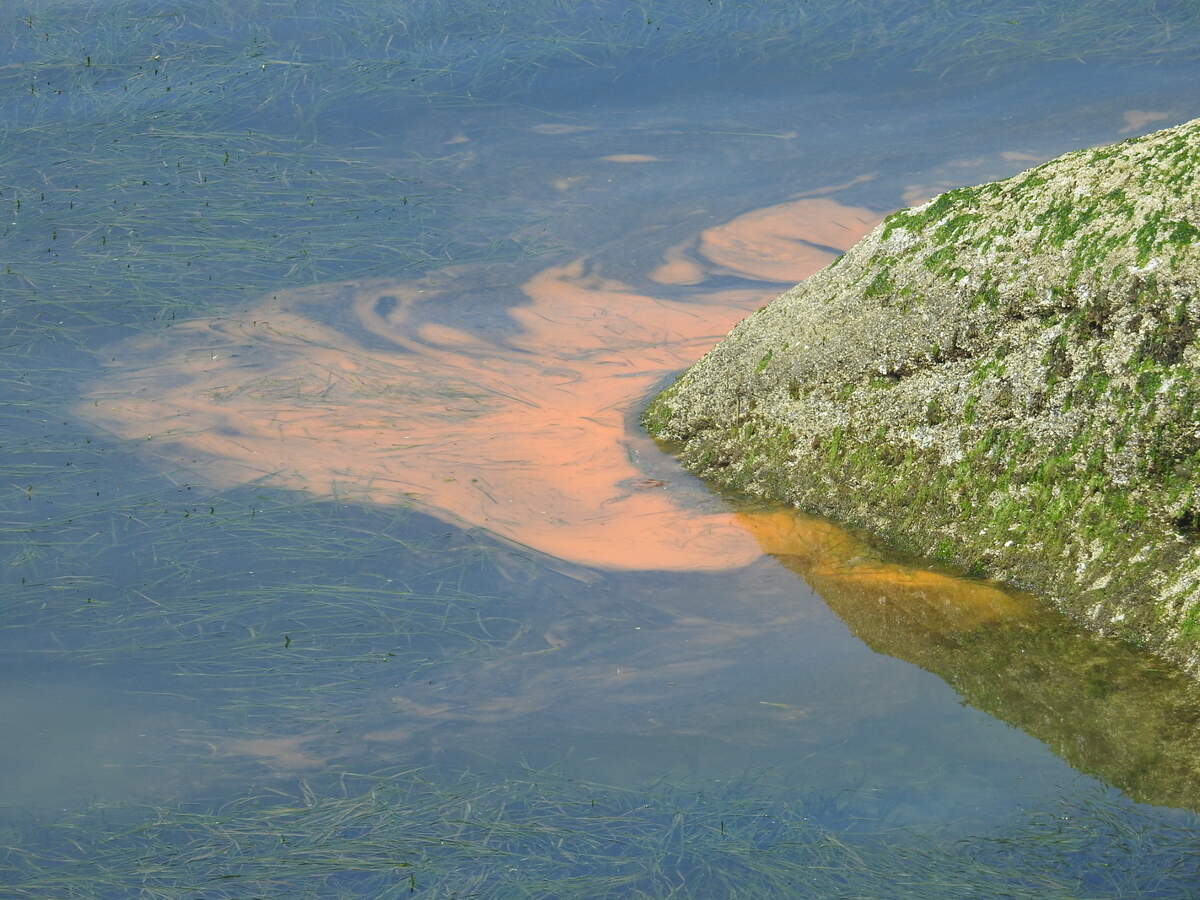
“One of them is an increase in nutrients, another is warm water, and another is wind or current movements that concentrate diffuse Noctiluca individuals,” she explained.
Too many nutrients, including from fertilizer, animal waste and wastewater, in the water can hurt the marine environment by starting a process called eutrophication.
“It’s, in a way, too much of a good thing,” Krembs said.
Ecology said citizen scientist Steve Tuckerman alerted it to the bloom in Chuckanut Bay, and also took pictures documenting its presence. That help is especially important this year because monitoring fly-overs have been grounded by COVID-19.
“That is a powerful alliance between us and the public,” Krembs said.
Learn more at ecology.wa.gov/.
This story was originally published August 9, 2020 at 5:00 AM.