What health department considers ‘close contact’ with Whatcom’s first COVID-19 patient
After the first case of novel coronavirus was confirmed in Whatcom County on Tuesday, March 10, public health officials here said they would work to identify people who came into contact with the woman in her 60s who tested positive.
The woman received medical care at PeaceHealth St. Joseph Medical Center in Bellingham. She was discharged from the hospital after her condition improved and was self-isolating at home.
The Whatcom County Health Department said officials will identify and then monitor close contacts — that could include family members, co-workers, emergency responders and others — for symptoms to avoid further spread.
How do public health officials find the people who have crossed paths with a person known to be sick with COVID-19? And should people who may have passed the unidentified Whatcom County woman while grocery shopping, for example, worry about contracting the respiratory illness?
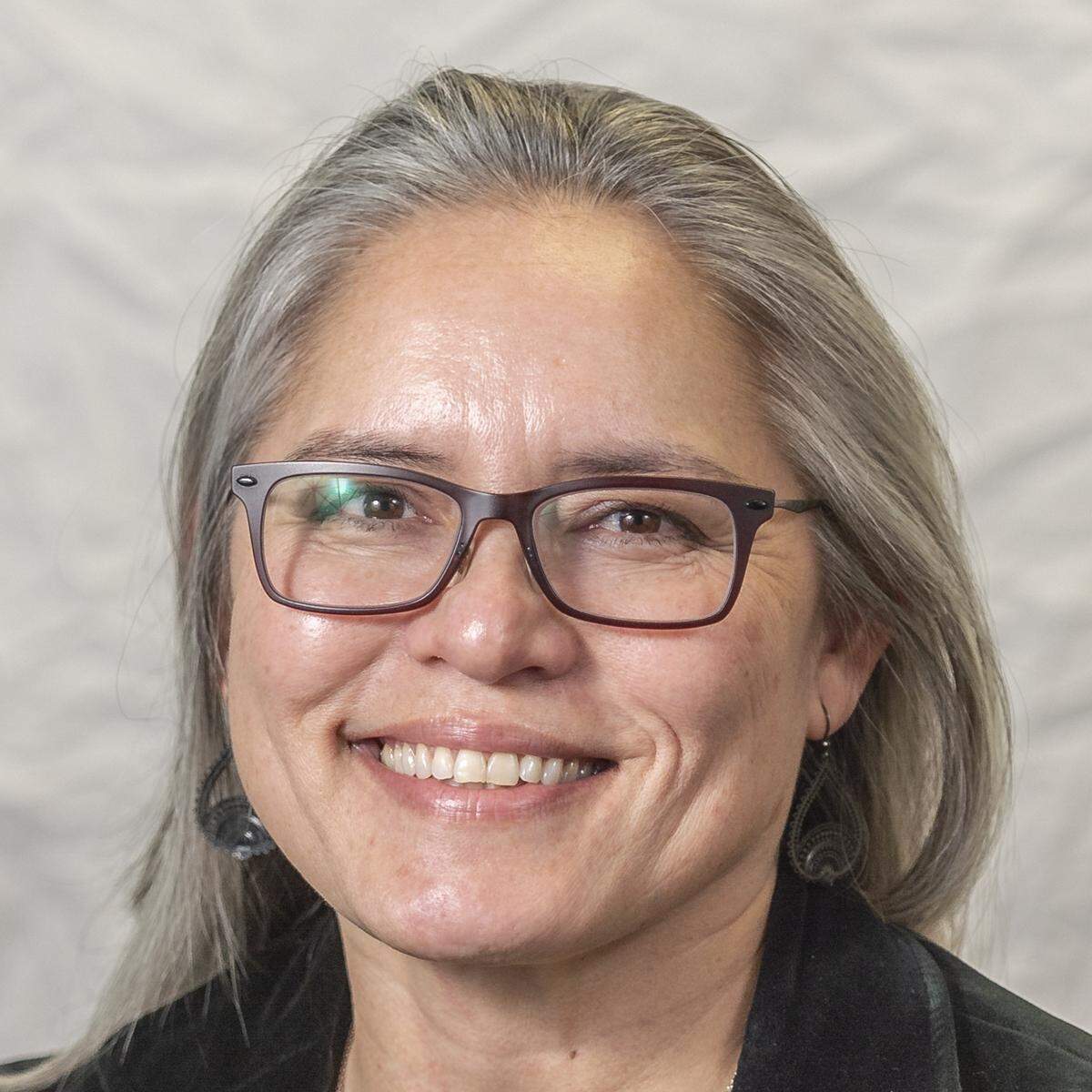
Judy Ziels, spokeswoman for the Whatcom County Health Department, as well as Bev Mayhew, spokeswoman for PeaceHealth St. Joseph Medical Center, answered those and other questions for The Bellingham Herald on Wednesday, March 11.
The Whatcom County Health Department is the lead agency for the COVID-19 response in the county.
Why can’t you say which town or part of Whatcom County the woman lives in? Other public health agencies in Washington state seem to be doing so.
At a Tuesday briefing shortly after the Whatcom County Health Department announced the first confirmed case, public health officials said they couldn’t release much information about the woman because of patient privacy protections under the federal Health Insurance Portability and Accountability Act, often referred to as HIPAA.
Ziels: “We need to make sure that the information we are providing would not be able to allow someone to connect who that person is.
“In much of Whatcom County, our city definitions are a relatively small population. If we provided the generals of what transpired for a given person and a given locale, we might violate our obligation to protect their personal health information,” she said. “We’re all obligated to protect people’s health information.”
Can you release information on when the woman was in the hospital? Or how she got there?
Ziels and Mayhew said no, citing patient privacy laws.
“Just because one was in that facility or in that area during that time, doesn’t mean they were at increased risk for infection,” Ziels said.
Mayhew said on Wednesday that the woman was not a PeaceHealth employee.
What do you say to people who are worried about being near the woman who was the first confirmed case? Is the hospital trying to contact them?
Mayhew: “It’s important to remember that while COVID-19 is new, protecting caregivers and other patients from contagious diseases in our facilities is not new. We have patients with contagious diseases in our facilities every day, whether it is the flu, norovirus, C. difficile, MRSA, or potentially COVID-19 for which we follow established protocols for protection.
“As with patients with any contagious disease, our infection prevention team closely monitors caregiver contact during and after admission to ensure the recommended protection protocol was followed. If it were not followed, patients and impacted caregivers who may have been affected will be contacted. In this case, as it is in most cases, no additional contact is required.”
How do you find others who may have come into contact with the woman?
Ziels: “This is something that we routinely do in order to contain infectious diseases, such as tuberculosis.”
The health department’s communicable disease team has interviewed the patient to find “who may have had more than 10 minutes of contact within six feet of her during the infectious period,” she said.
That means that if you, for example, walked by the ill woman you wouldn’t be identified as a close contact, Ziels explained.
“There is a relatively tight circle,” she said, adding that people who fall within that circle — meeting the close contact definition — would be directly contacted by the health department, she said.
Additional information would be released if there were a lot of people who might have been exposed at a large public event, Ziels said, stressing that was not the case here.
COVID-19 overview
More than 127,000 cases of COVID-19 have been confirmed worldwide, with more than 4,600 deaths as of Thursday morning, March 12, according to Johns Hopkins University. The United States has more than 1,200 confirmed cases with at least 37 deaths, most of them in Washington state.
So far, COVID-19 has spread to at least 38 states in the U.S. and the District of Columbia, according to the Centers for Disease Control and Prevention.
The Washington State Department of Health website reported 29 deaths and 366 confirmed cases in the state as of Wednesday afternoon, March 11. Twenty-six people have died of COVID-19 in King County, two in Snohomish County, and one in Grant County. So far, confirmed cases have been found in Clark, Grant, Island, Jefferson, King, Kitsap, Kittitas, Pierce, Skagit, Snohomish, Thurston and Whatcom counties. The list now also includes cases that are unassigned to counties.
Whatcom County’s first confirmed case was announced on Tuesday and Whatcom County government declared a public health emergency and recommended social distancing measures to help slow the spread of COVID-19.
On Wednesday, the World Health Organization said that COVID-19 was now a pandemic because of its global impact.
About coronavirus
COVID-19, which stands for coronavirus disease 2019, is the name of the illness that first appeared in late 2019 in Wuhan, China, before spreading to other countries, including the U.S. It is caused by a virus named SARS-CoV-2.
The disease is spread through contact between people within six feet of each other — what’s referred to as close contact — especially through coughing and sneezing that expels respiratory droplets that land in the mouths or noses of people nearby.
The CDC says it’s possible to catch COVID-19 by touching something that has the virus on it, and then touching your own face, “but this is not thought to be the main way the virus spreads.”
Symptoms — cough, fever, difficulty breathing — may occur two days to two weeks after exposure. Although most of the cases have been mild, the disease is especially dangerous for the elderly and others with weaker immune systems.
Stay informed
▪ https://whatcomcounty.us/ncov. Email general questions about COVID-19 in Whatcom County to covid@co.whatcom.wa.us.
▪ doh.wa.gov/Emergencies/Coronavirus. Call a hotline at 1-800-525-0127 and then press # for questions about what is happening in Washington state, how the virus spreads, and what to do if you have symptoms.
▪ cdc.gov/coronavirus/2019-ncov/index.html.
▪ cob.org/services/safety/emergencies/Pages/covid-19.aspx
This story was originally published March 12, 2020 at 8:10 AM.