Worried about deer-vehicle collisions in Bellingham? You can do something about that
Spring is around the corner and that means drivers can expect to see more wildlife around the city, sometimes with tragic consequences.
“Each spring, as wildlife baby season arrives, calls increase regarding deer and other animals that have been struck on city streets,” the city of Bellingham states in a release.
So the city has come up with a way to help neighbors warn others — protecting drivers and wildlife by preventing collisions that can be costly and deadly — via a partnership with Watch for Wildlife and with the help of the Mount Baker Chapter of the Sierra Club.
The club brought the Watch for Wildlife campaign to Bellingham after its start in Nova Scotia, Canada, in 2016, the city said.
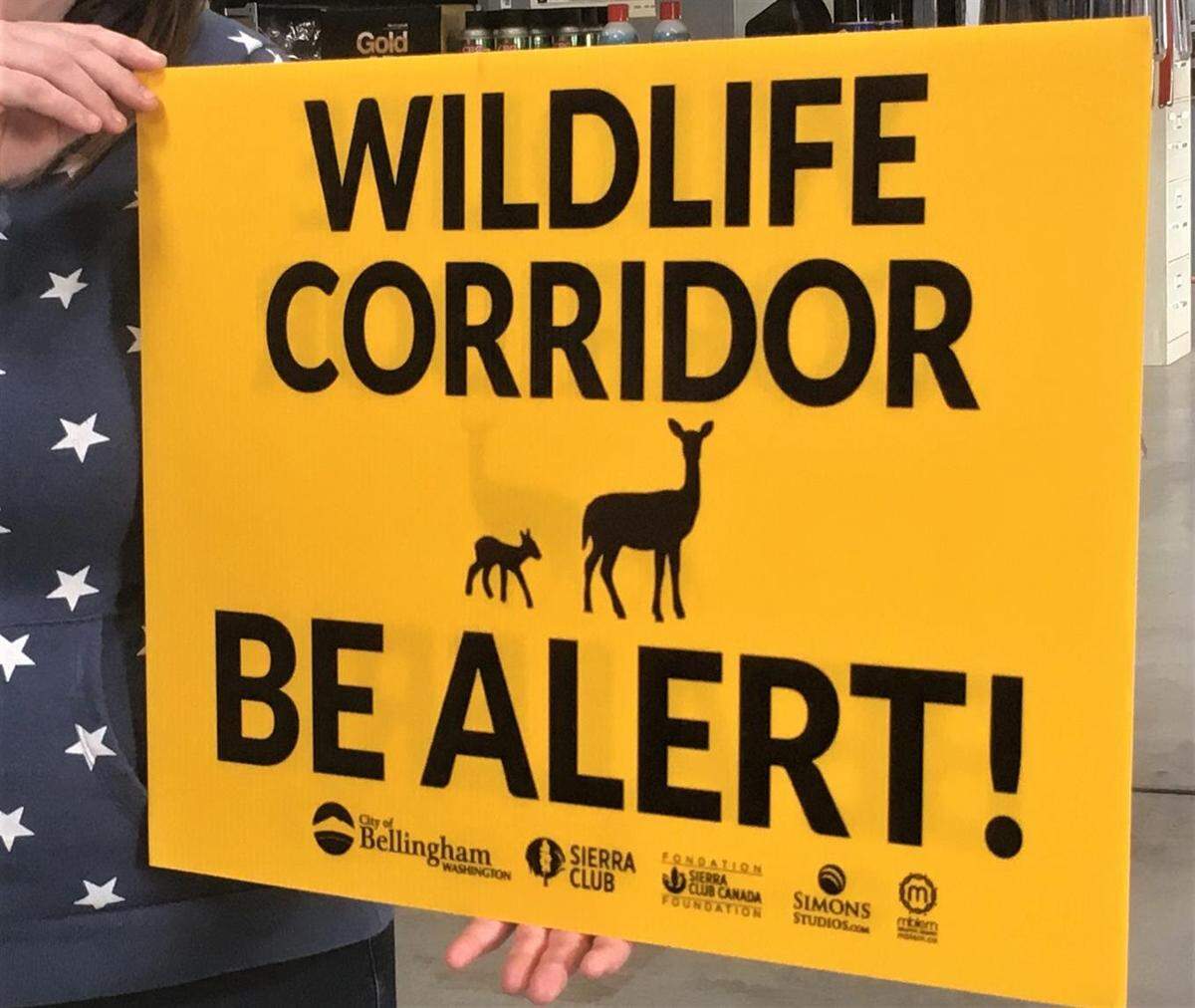
The most public piece of that campaign, which includes an informational brochure, is a yellow “wildlife corridor, be alert” sign that residents can get from the city of Bellingham for free. People can post the signs on their property to warn drivers if they see an increase in wildlife activity, most likely deer, in the area.
Get the signs at the Bellingham Public Works Operations division, 2221 Pacific St.
Meanwhile, here are a few tips from the city for avoiding deer-vehicle collisions:
▪ Be wary. Avoiding one deer doesn’t mean you’re in the clear. If there’s one deer, there’s more nearby.
▪ It figures. Deer are most likely to appear at dawn and dusk when they’re most active but hardest to see. Make sure your headlights are on so you can see them and alert other drivers.
▪ Water nearby? Pay attention. Deer are often hit on their way to drinking at their favorite spot.
Keep that level of awareness going through fall. More than half of the collisions between vehicles and deer occur in October and November during mating season, according to the Washington State Department of Fish and Wildlife.
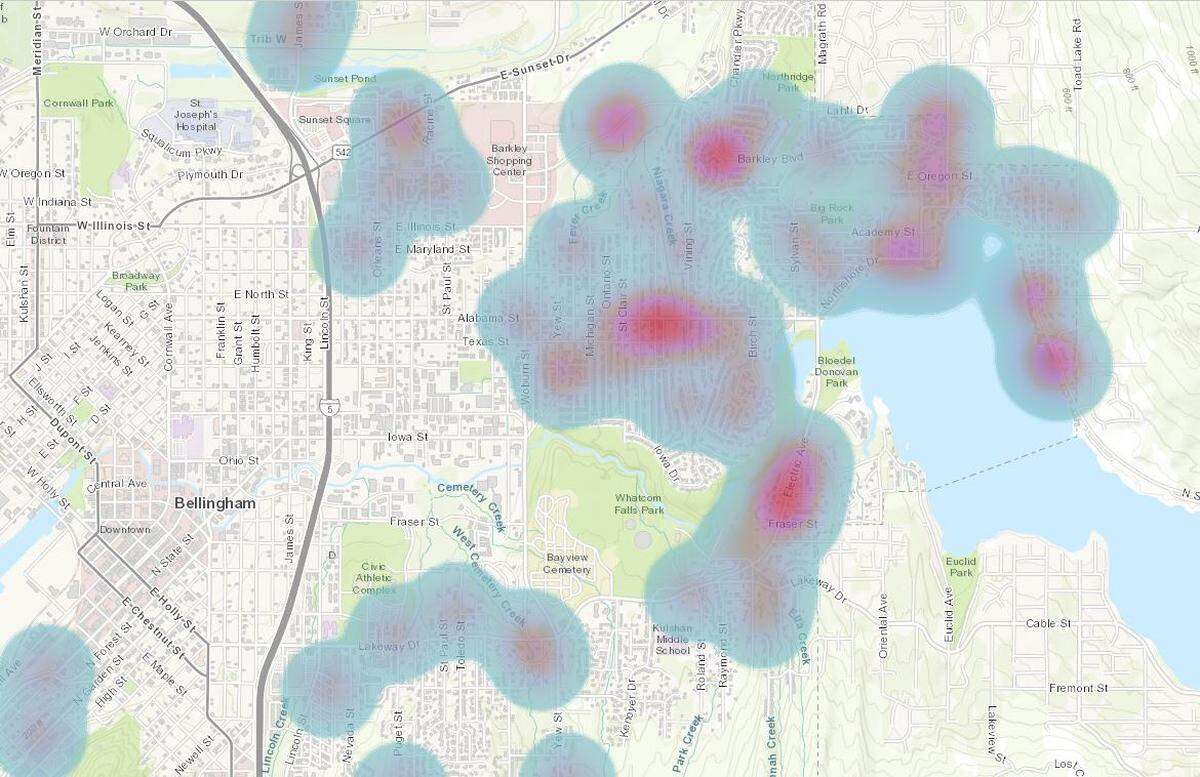
Wondering what parts of the city are most susceptible to collisions between deer and vehicles?
Check out a city map that shows where deer carcasses have been picked up from 2016 through 2018. You’ll find a heat map as well as specific locations (click on “content”).
What to do if you hit an animal
If you hit an animal in the road and it is dead, call the Whatcom Humane Society, which provides animal control services, at 360-733-2080.
If the animal is still alive, call the Whatcom County Humane Society’s Wildlife Rehabilitation Center at 360-966-8845.
To report animal crossings to the city of Bellingham, contact Steve Haugen, traffic operations engineer at 360-778-7811 or shaugen@cob.org.
For more information, go to Watch for Wildlife on the city’s website at cob.org.
If you love Whatcom Wildlife
Join us in our Facebook group Whatcom Wildlife. The Bellingham Herald created this group because we know so many people love to take pictures and video of the animals around us. And while we might want to publish a photo from the site, we’ll always ask the photographer’s permission first.