You think you know how to drive a roundabout by now? Yeah, you’re probably wrong
Somebody’s fibbing about how well they drive roundabouts, according to a new survey of Northwest driving from PEMCO insurance company.
Or maybe some drivers just don’t realize that they’re doing it wrong.
In a recent survey of 1,200 Washington and Oregon residents, three-quarters of respondents said they drive roundabouts correctly, and two-thirds of respondents said they see others making mistakes.
That can’t be right, can it?
“Interestingly, despite the high-level confidence, our data also indicate that drivers may not be as skilled as they think at navigating roundabouts,” PEMCO spokesperson Derek Wing said in an email.
Just Wednesday morning in Bellingham, a semi-truck driver had trouble making a turn from Wharf Street onto Boulevard at the traffic circle for a five-way intersection including North State, South State and North Forest streets.
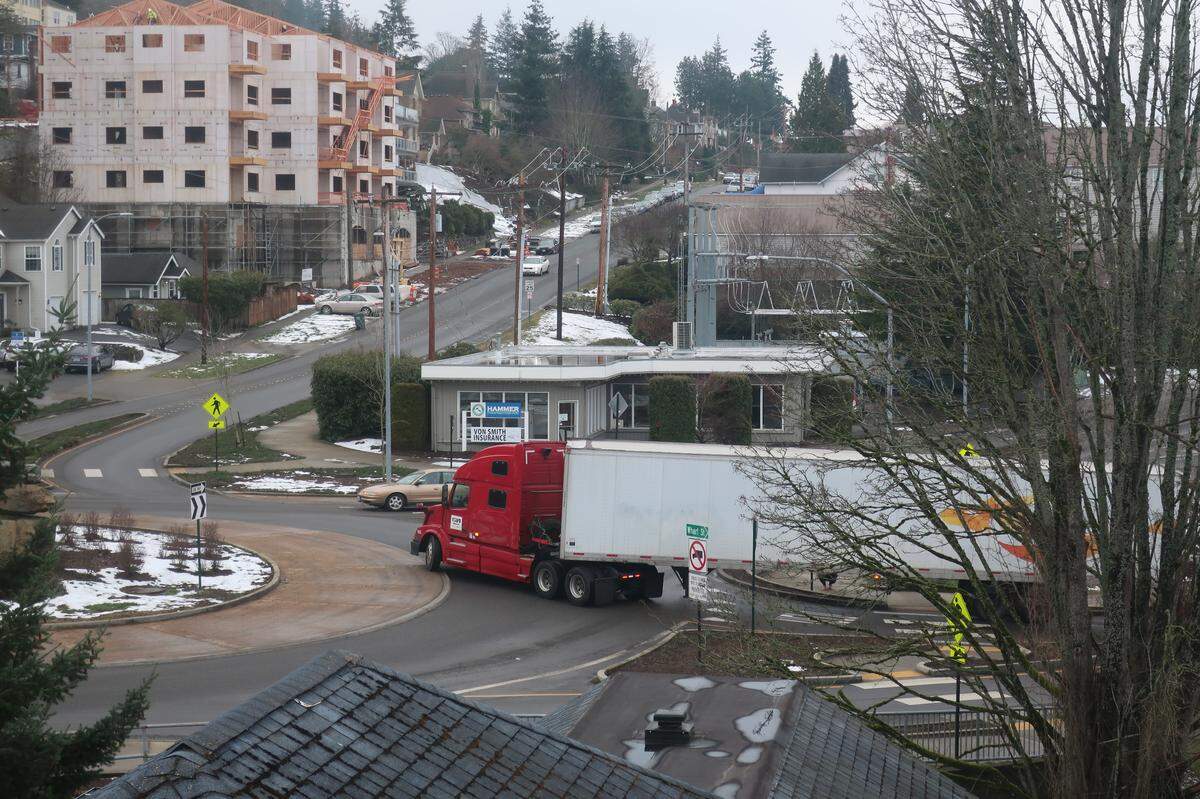
“Semi stuck on Bellingham traffic circle for 10 minutes,” Peter J. Cavan of Bellingham tweeted. “Never understand why they use that route.”
Cavan, who lives in the area, said he’s seen several crashes over the past year and hears car horns daily.
PEMCO’s poll shows that more than half the Washington state residents surveyed said they favor roundabouts over intersections, and about one-third oppose them.
Ryann Jonak of Bellingham said she loves roundabouts, but hates clueless drivers.
“I would love if we had more roundabouts in Bellingham,” Jonak said in response to a Facebook post. “I have to drive one whenever I work and there are too many people who don’t know how to drive them.”
Roundabouts, which have been used around the world for years, have become popular recently in Washington state as a way to keep traffic moving more safely.
The intersections on Guide Meridian north of Bellingham have seen more crashes since roundabouts were built starting in 2010. But, those crashes resulted in fewer injuries than in the decade before they were installed, even with the increase in traffic over the past nine years, according to state Department of Transportation data that The Bellingham Herald reported in June 2018.
Andrea Petrich, WSDOT spokesperson in Whatcom and Skagit counties, said that’s likely because roundabouts change the way cars collide.
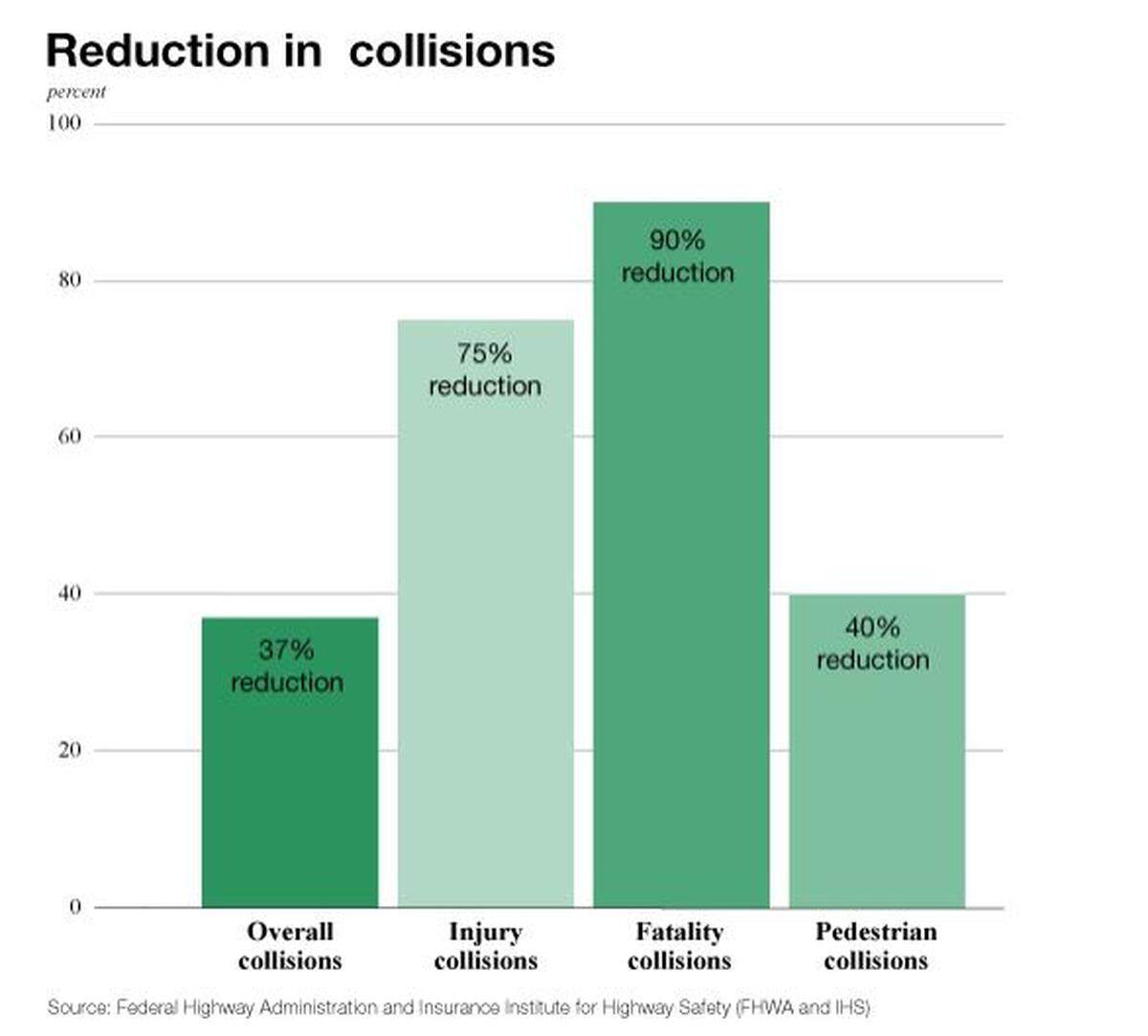
“(A roundabout) reduces the number of points of conflict,” Petrich told The Bellingham Herald in June. “It takes many of the head-on and T-bone collisions that occur at intersections and changes them to more of a side-swipe.”
But if roundabouts make travel safer for drivers, might not be true for people on foot.
Several other readers — who responded to The Bellingham Herald’s inquiry on Facebook — said they hate that crosswalks are part of the roundabout.
“As a blind person, I feel much more unsafe walking through roundabouts then i do walking at stoplights,” Deby Thomas of Bellingham said on Facebook. “Roundabouts rely on people to yield to pedestrians and often, drivers do not. So I am not a fan.”
Several Herald followers on Facebook liked Lori Crabtree’s idea to put the crosswalks before the roundabouts.
“Crosswalks are a necessity but I’ve tried to cross there and have had a few close calls with drivers anticipating the roundabout and obviously didn’t see me in the crosswalk,” Crabtree said.