On the ‘back end of this pandemic,’ here’s who is keeping Whatcom’s hospital busy
The BA.5 variant of COVID-19 has yet not hit Whatcom County as hard as other parts of the country, but St. Joseph’s hospital in Bellingham is still asking for help from area residents.
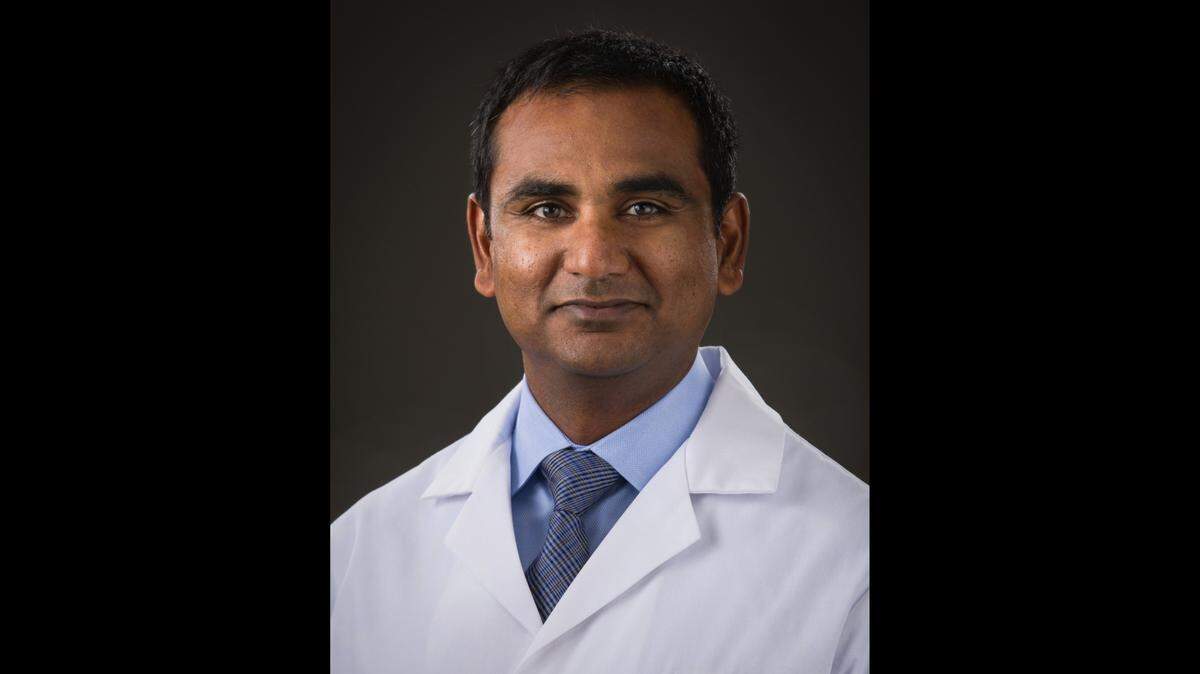
“We’re certainly seeing far fewer numbers than the omicron surge and the delta surge from the hospital standpoint,” PeaceHealth Northwest Regional Chief Medical Officer Dr. Sudhakar Karlapudi said in an interview with The Bellingham Herald. “We’re still seeing a few number of cases in the hospital that have COVID, but it’s largely patients that are admitted for other reasons. There are people being admitted for COVID, of course, but a larger proportion are patients who are admitted for other problems that have COVID.”
In a news release sent out this week, the hospital again asked patients to utilize the hospital’s emergency department only for the most emergent or life-threatening conditions, while asking patients seeking care for non-emergent conditions to visit their primary care physicians or an urgent care center before going to the hospital.
“Our caregivers work tirelessly to provide quality care to all patients who come through our doors, but there are times when our emergency department isn’t the best option,” Karlapudi said in the release. “Freeing up space and keeping wait times down in the ED lets us do what we do best: quickly and skillfully taking care of acute medical emergencies.”
Karlapudi told The Herald that the hospital has seen “historically high” patient volumes in recent weeks, but COVID is not the direct cause for that increase. Instead, Karlapudi said the hospital is seeing more patients who have not properly cared for chronic diseases due to COVID-19 and patients with new diagnoses of cancer or other chronic diseases from the past two-plus years.
“I think my worry, from a COVID perspective, definitely has improved,” Karlapudi said. “But we have seen an increasing number of cases because of other reasons from COVID, and that is a bit concerning.”
As of Wednesday, the hospital reported it was treating 18 patients for COVID symptoms. Over the past week, that daily snapshot has averaged 12.9 patients, which represents 5.1% of the hospital’s 252 inpatient beds.
To lessen the impact on the hospital, Karlapudi still is recommending the entire community take steps to limit the chances they are exposed to COVID.
“The most important thing to remember is this is still a virus that spreads between people, and it can still be controlled by washing your hands, wearing a mask and maintaining 6 feet of distance,” Karlapudi told The Herald.
He added that it is important for everyone who had not yet started an initial vaccination sequence to do so, and those who are eligible for boosters to make sure they are up to date. As of Wednesday, July 20, the Washington State Department of Health COVID-19 Dashboard reported that 69.6%% of all Whatcom County residents had completed an initial COVID-19 vaccine regimen, and 60.3% who were eligible had received a booster.
“I would say vaccines are still lifesavers,” Karlapudi said. “They are protecting us from becoming severely sick and getting hospitalized or dying. People who have not gotten their vaccine and not gotten their boosters, please get it.”
Additionally, for any residents who do test positive for COVID, Karlapudi strongly recommends they talk to their primary care physician to see if the treatment drug Paxlovid is an option.
“Paxlovid is really helping people who have risk factors for severe disease who become infected,” Karlapudi said. “There is no shortage of the drug. The biggest challenge seems to be people becoming infected and thinking that it is mild and that it will go away and not contacting their primary care provider. Please, if you test positive for COVID, talk to doctor about it. It is having a positive impact on how severe the disease becomes in people who take it.”
During the pandemic, the state dashboard has reported 44,227 total cases resulting in 1,765 hospitalizations and 312 deaths in Whatcom County through Wednesday.
“I am hopeful that we are at the back end of this pandemic and we are looking in the past, and I’m really hopeful and positive about that,” Karlapudi told The Herald. “But we know about 100 years ago when the flu had its pandemic, it has continued to evolve and change, and it’s still with us. We should anticipate that coronavirus is going to evolve, it’s going to change.
“How predominantly it will stay with us — we’re still not sure. But that does not mean we are completely helpless against the virus. There are still a lot of things we can control.”