Even if U.S.-Canada border reopens July 21, one group won’t be allowed for ‘quite a while’
JULY 15 UPDATE: Here’s when Canada’s Trudeau sees border opening, with ‘positive path of vaccination rate’
While none of us know for sure when we’ll be allowed to cross the U.S.-Canada border for non-essential reasons, Canadian Prime Minister Justin Trudeau made it clear there is one group that won’t be welcome for “quite a while.”
Canada will not be accepting any unvaccinated tourists from other countries any time soon, Trudeau said during a media conference Thursday, July 8, according to a CTV News story.
“I can tell you right now that’s not going to happen for quite a while,” Trudeau told CTV.
“We need to continue to ensure that the safety of Canadians, of all the sacrifices that so many people have made over the past many, many months, are not for nothing,” he continued.
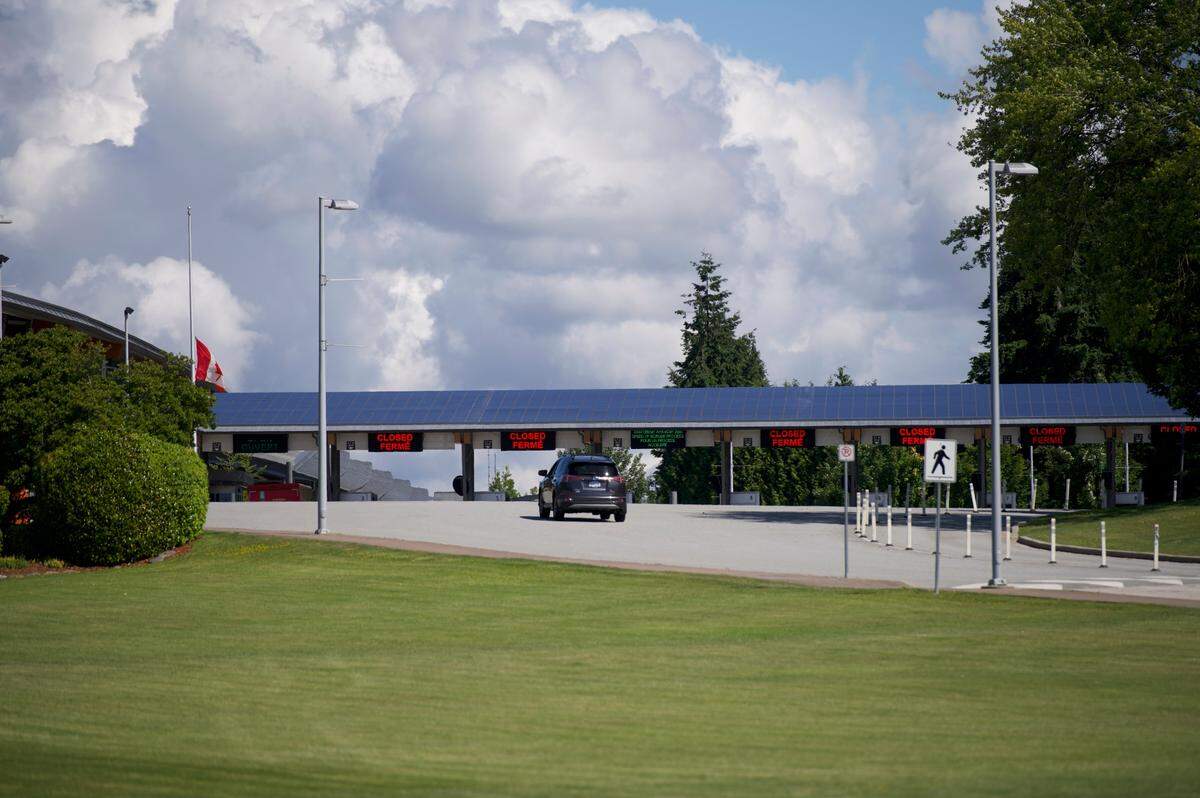
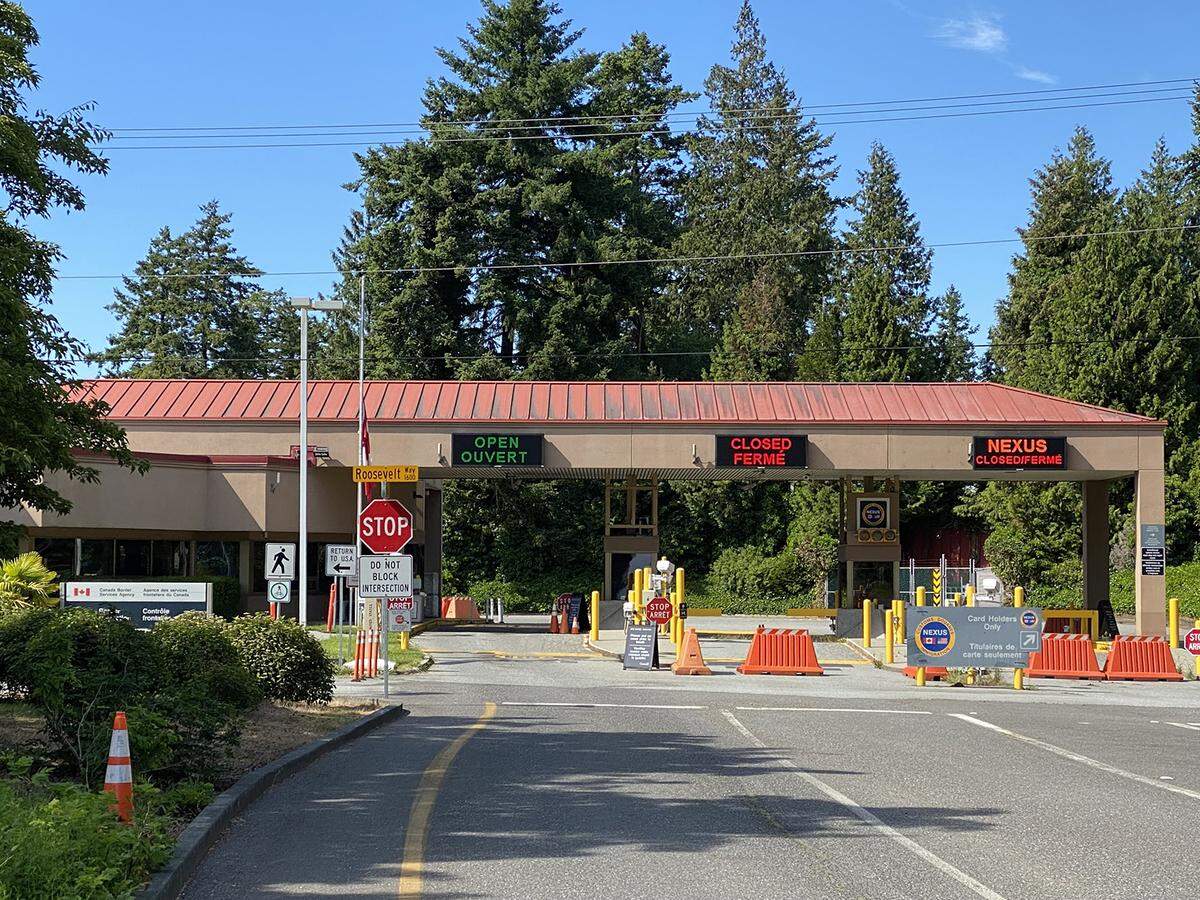
The border between the two countries has been closed to all non-essential travelers — vaccinated and unvaccinated — since March 21, 2020, as an effort to reduce the spread of COVID-19 during the early stages of the pandemic. The initial closure was to last one month, but it has since been extended on a month-by-month basis 15 times — most recently on June 18 — and is currently set to expire July 21.
Trade and other travel deemed to be essential between the two countries has been allowed throughout the pandemic.
First stage of reopening?
On July 5, Canada began allowing fully vaccinated Canadian citizens arriving by land or air for essential purposes to enter with a required quarantine.
But there were no other changes for travelers who are not fully vaccinated, a release from the Canada Border Services Agency states, as they are still subject to a mandatory three-day stay in a hotel if they fly into the county, a 14-day quarantine and three required COVID tests. All tourism, even for those who are fully vaccinated, also is still banned at this time.
Trudeau called the move to allow vaccinated Canadian citizens to enter without quarantining a “big step,” according to a July 6 Detroit Free Press story, and said the Canadian government looks to announce plans to fully reopen the border over the next several weeks.
“Nobody wants us to move too fast and have to reimpose restrictions as case numbers rise like we’re seeing elsewhere in the world,” he said, according to the Free Press. “We need to do this right.”
What will reopening take?
How fast Canada will reopen could hinge on how the July 5 changes go, according to a July 3 Narcity.com story.
“When we start reopening, so Americans and others who are fully vaccinated can come into Canada, will depend on how this goes, on the data we collect, on how we’re able to keep Canadians safe even as we make adjustments to the rules and as travel volumes inevitably increase,” Trudeau said, according to Narcity.
Trudeau also hinted he’d like Canadians to be more than 75% vaccinated, or even 80% to be safe, Narcity reported.
“I know people are impatient to suddenly get back to normal but we’re not there yet,” Trudeau said.
That 75% vaccination rate goal was echoed by Canadian Public Safety Minister Bill Blair in June, the CBC reported, adding that “the finish line” won’t be reached until significantly more Canadians are vaccinated.
According to the CBC’s vaccine tracker, approximately 68.6% of Canada’s total population has initiated vaccination and 40.9% has completed it. Looking at just the country’s eligible population (12 and over), those percentages rise to 78.5% and 46.8%, respectively.
Canada has now administered more doses per 100 people (109.6) than the United States (99.4), according to the tracker.
The Centers for Disease Control and Prevention vaccination tracker reports the 55.3% of all U.S. citizens and 64.7% of those over 12 and older have initiated vaccination, while 47.8% of the total population and 55.9% of those 12 and older have completed it.
Too soon to reopen?
A top Canadian doctor told the Toronto Star he hopes the two countries decide to keep the border closed for the rest of the summer, calling the risk of opening it to travel too risky, especially as both countries are starting to see increased cases of the more transmissible delta variant.
Whatcom County just had its first confirmed case of the delta variant reported Wednesday, July 7.
“I think opening the border would put us at particular risk,” Dr. Mustafa Hirji, the top public health official in Ontario’s Niagra Region, told the Star.
Hirji told the Star he would recommend extending the closure at least another month, giving both countries more time to vaccinate more people.
“I expect, probably, we need another two or three months before we’re at the stage where we’ve maxed out our vaccinations, and we would be at a stage where we could reopen and not have to worry about the Delta variant overwhelming us,” he told the star.
‘Full-court press’
Obviously Hirji’s comments are in stark contrast to the calls from families who have been separated by the closure for the past 16 months and businesses and communities in both countries that depend on a free and open border to survive.
A number of politicians, including Washington state Gov. Jay Inslee and U.S. Rep. Suzan DelBene, have written letters calling for the two sides to work together to find a way to safely reopen the border.
On Friday, Inslee told The Bellingham Herald Herald that he is working with DelBene, whose district includes part of Whatcom County, and the U.S. State Department to ease border restrictions between the U.S. and Canada.
“We’ve got a full-court press going from both governments,” Inslee said in Ferndale Friday, July 9, before he led a group elected leaders to Point Roberts. ”We’ve got to get this border open. We certainly can do it for vaccinated people right now.”
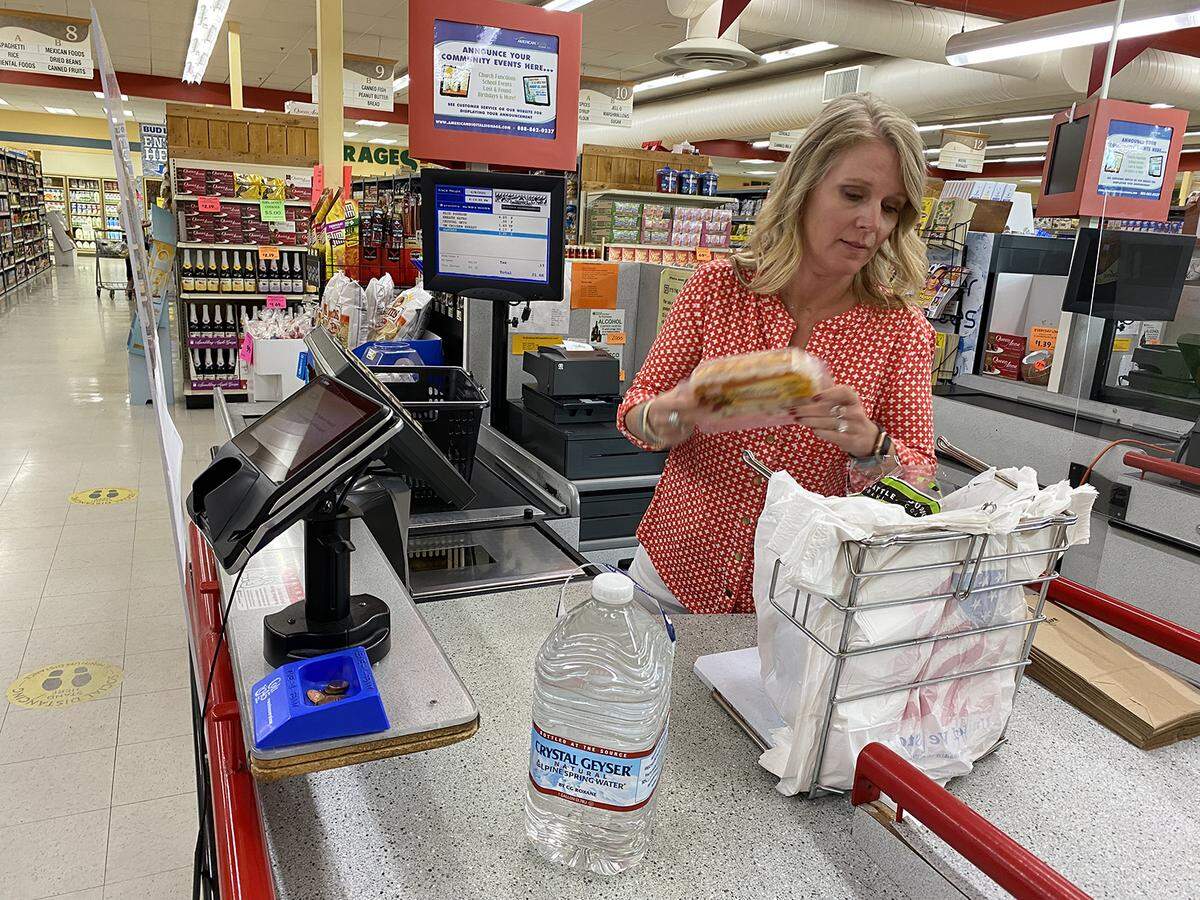
Point Roberts has been a focal point of the difficulties caused by the border closure, as the tiny community has found itself cut off from the rest of Whatcom County at the tip of the Tsawwassen Peninsula and the two border crossings needed to make the journey. Late last month, Inslee announced $100,000 from the state’s reserve funds will be used to help ensure the only grocery store in town will remain open despite the continued border closure.
“I’m going there to listen and also to help them now to begin economic recovery,” State Rep. Alicia Rule, a 42nd District Democrat from Blaine , told The Herald. “This is the role of government. We have to make sure that (the pandemic border closure) doesn’t destroy our local economy.”
COVID numbers update
As of Friday, the United States continues to have the highest number of COVID cases in the world with more than 33.8 million confirmed cases and 606,000 related deaths, according to the John Hopkins University COVID-19 dashboard. Canada, meanwhile, was 24th overall with more than 1.4 million cases and 26,000 related deaths.
The U.S. is the third-most populated country in the world with more than 331 million residents, according to worldometers.info, while Canada is No. 39 with more than 37 million residents.
The Johns Hopkins site also reports that the U.S. has administered more than 331.8 million vaccine doses (or about 1.00 per resident), while Canada has administered 41.7 million (or approximately 1.13 per resident).
According to the British Columbia COVID-19 dashboard on Thursday, July 8, the province has seen 147,919 total cases during the pandemic and 1,760 confirmed deaths — an increase of 1,125 cases and 21 deaths since the last border extension was announced June 18. With a population of approximately 5.1 million, British Columbia has seen an infection rate of 27 cases and 0.5 deaths per 100,000 residents since June 18.
The Washington State Department of Health, meanwhile, reported 417,318 confirmed cases and 5,986 related deaths on Thursday — an increase of 6,753 cases and 176 deaths since June 18. With a population of approximately 7.5 million, the state has averaged 90 cases and 2.3 deaths per 100,000 residents since June 18.
Washington state reports administering nearly 7.6 million vaccine doses, or approximately 1.01 doses per resident, while British Columbia reports administering 5.4 million doses, or approximately 1.06 per resident.
Washington state reports more than 4.1 million residents, or 53.8% of the total population, have initiated vaccination, and more than 3.6 million residents (47.5%) have completed it. Meanwhile, British Columbia reports that more than 3.6 million residents (70.6%) have initiated vaccination and more than 1.8 million residents (35.2%) have completed it.
This story was originally published July 10, 2021 at 5:00 AM.