Here’s where Whatcom sewage is being sampled for COVID-19 and what it might tell us
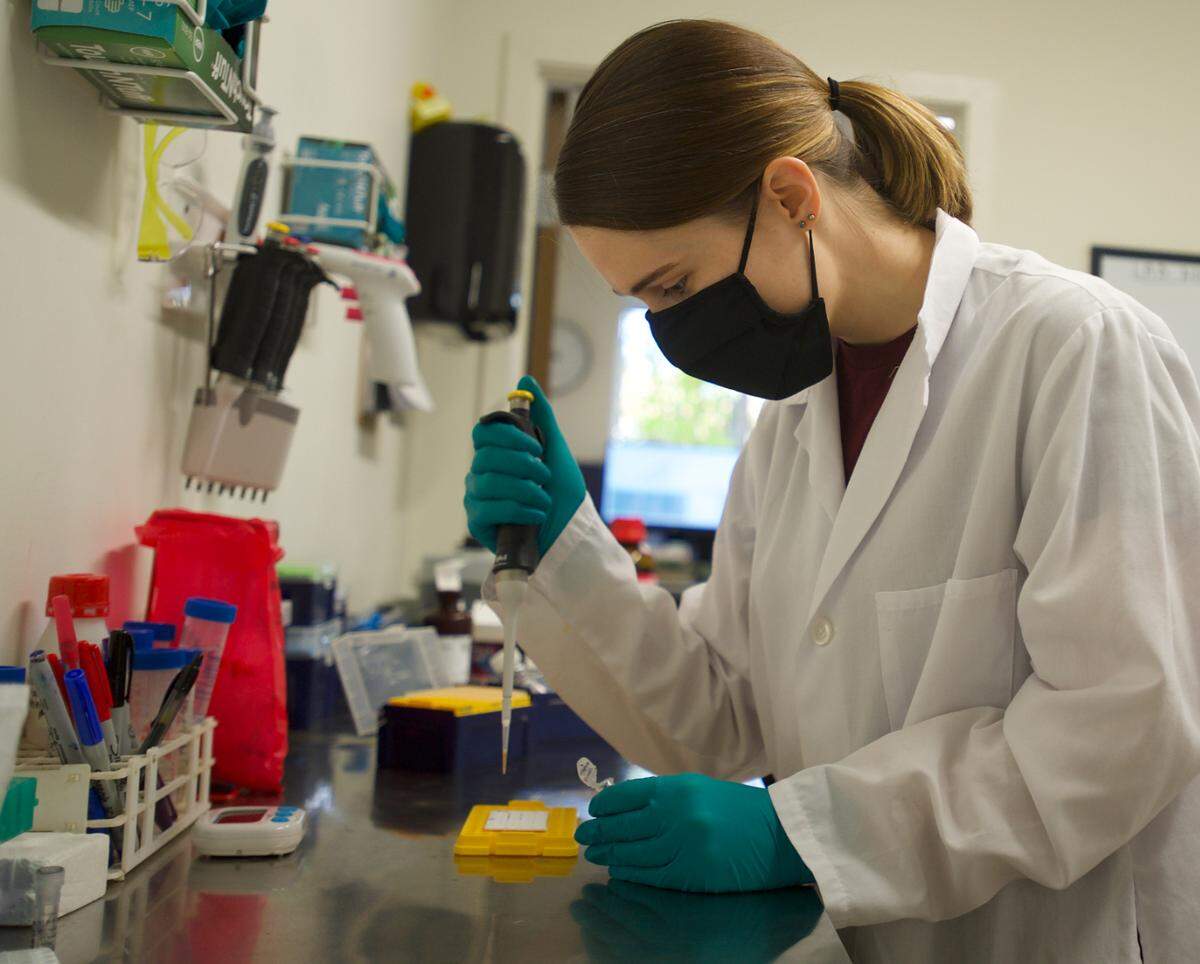
A Ferndale environmental health laboratory is testing Lynden residents’ sewage for COVID-19 to help scientists learn more about how viruses spread and fight future outbreaks and pandemics.
Exact Scientific Services has been sampling Lynden’s wastewater for traces of the disease caused by the new coronavirus since June and sharing that data with a University of Washington professor of environmental virology.
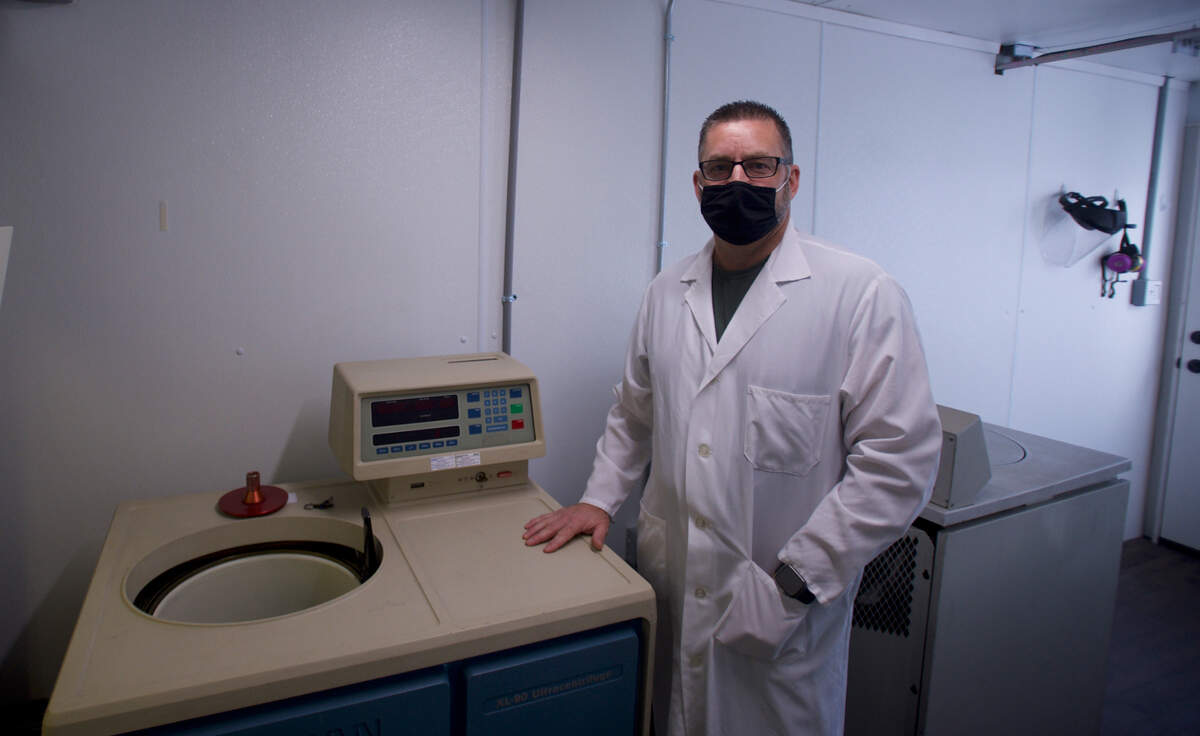
“When you contract COVID-19, you start shedding it in your feces before you get symptoms,” said Kent Oostra, whose Exact Scientific Services has been testing Lynden’s sewage for the SARS CoV-2 virus.
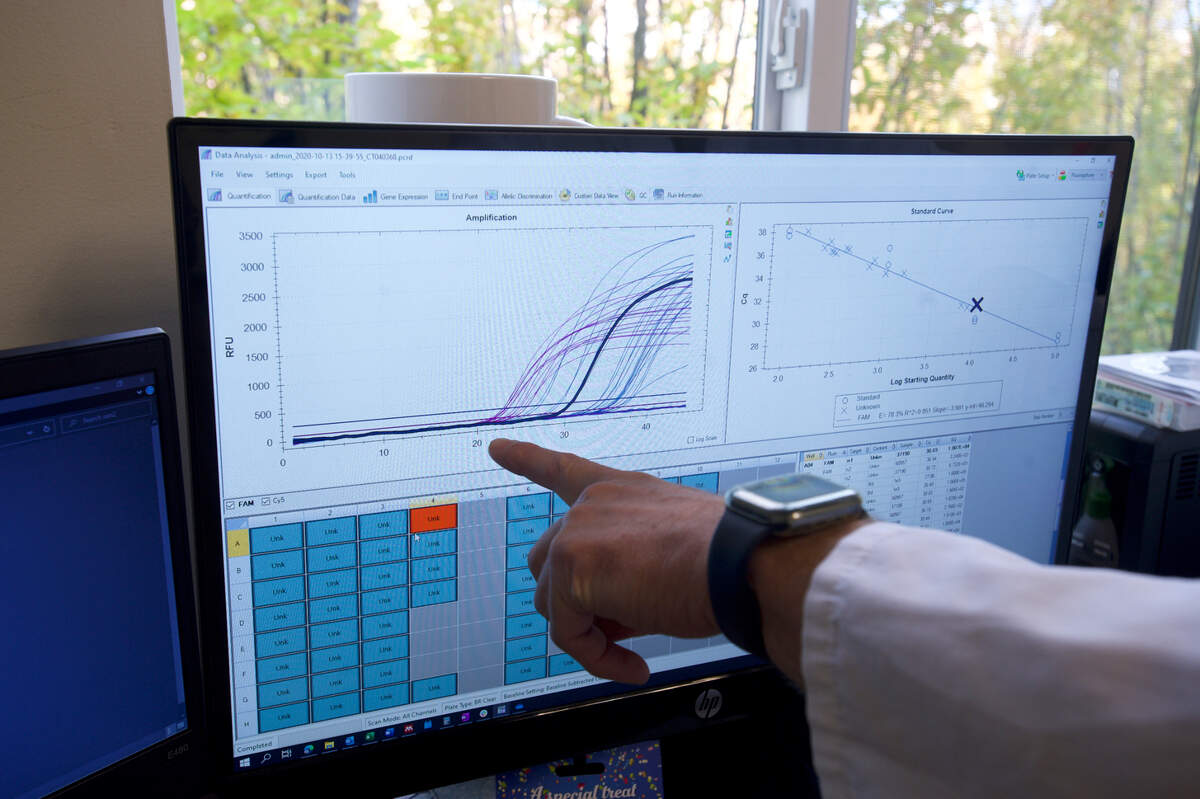
“Sewage is one of the tools, along with testing. It predicts about 10 days before you see an outbreak,’ Oostra told The Bellingham Herald in an interview.
“It’s a snapshot of the whole city with one sample. If we were monitoring (Bellingham’s) sewage and we saw a bump, we’d think ‘Let’s go take a sample at a care facility or the university,’ ” Oostra said.
Normally, Oostra would be testing water, food or dietary supplements for commercial customers at his lab off Pacific Highway.
But he sees sewage testing as a way to help his community during the pandemic by collecting data that helps others develop ways to monitor and possibly control outbreaks.
“It helps us to start seeing trends,” Oostra said. “It’s actually pretty prevalent. More and more people are doing it.”
Indeed, sewage sampling has become part of an overall prevention strategy in many towns and at dozens of colleges and universities worldwide, from UC Berkeley to the Technion in Israel.
And it helped contain a dormitory outbreak in August at the University of Arizona, officials there said in an online press conference.
Lynden Christian samples
Exact Scientific is also testing the sewers that flow from Lynden Christian’s middle school and high school, where students are attending classes in person, Superintendent Paul Bootsma told The Herald.
“It’s a lead indicator” and part of the school’s safety routine, which includes testing staff and students, hand hygiene, social distancing and wearing face masks, Bootsma said.
“We can make ourselves more aware and we can make our families more aware,” he said. “We’ve been cooperating and supportive of what they’re doing. We want our families and kids to be as safe as possible.”
Recently, after-school sports were canceled for a week when traces of COVID-19 were found in the sewer, he said.
It might’ve stopped an outbreak, and no one has tested positive at the school since classes started Sept. 1.
“We feel super-grateful,” Bootsma said.
Not at WWU
Sewage testing isn’t being done at Western Washington University, where only 1,050 students — about one-fourth of normal — are in campus dorms, and most students are attending online classes, said spokesman Paul Cocke.
“Western is testing all students living in residence halls and attending in-person classes so that’s how we are gauging positivity, which now is very low,” Cocke said in an email.
There have been five positive cases among the 6,340 tests that were administered fall quarter from Sept. 15 to Oct. 30.
Continued research
Amy Cloud, spokeswoman for Whatcom Unified Command, the multi-governmental agency fighting the pandemic, said the county Health Department isn’t testing anywhere but officials are aware of the sampling in Lynden.
Cloud said the U.S. Centers for Disease Control and Prevention is funding state Department of Health research to explore the use of wastewater testing for pandemic monitoring.
“There are not yet public health standards on the interpretation and response to detection of virus in wastewater,” Cloud said in an email. “We are waiting for the CDC and state Department of Health review and guidance on the use of wastewater testing results in overall COVID-19 surveillance and response.”
Eric Johnston, Bellingham public works director, said his department is tracking the research and testing on a local and national level.
“The city is not actively participating at this time,” Johnston said in an email. “We would welcome any researcher looking to acquire samples from the city of Bellingham system.”
‘Science project’
Headline writers and others have been having fun discussing poop patrols that flush out COVID-19.
But potty jokes and snickering aside, Oostra sees his work as critical to the pandemic.
“When COVID started, it was a natural fit for us to ask what we could do to help,” said Oostra, who lives in Lynden.
Steve Banham, Lynden’s public works director, said the city used $20,000 from its share of the CARES Act pandemic relief funding to have Exact Scientific monitor the city’s sewage.
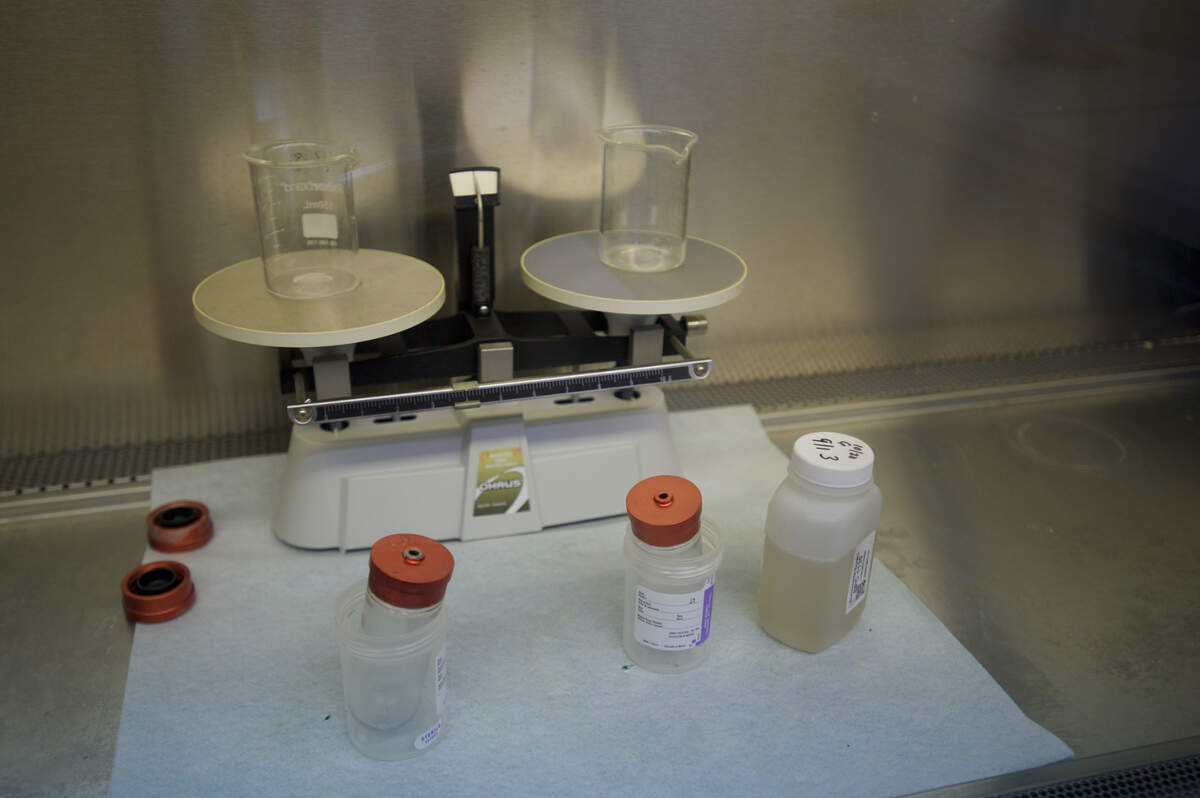
“It’s kind of been a science project,” Banham told The Herald. “We thought it was intriguing and it might help us understand future outbreaks.”
Banham said samples are taken from one spot, where all the city’s sewage flows into the wastewater treatment plant, and the data is shared with the county Health Department and the University of Washington.
“It potentially gives them a head’s up when there’s an increase in cases coming. Right now, our numbers are pretty good. It’s trending down,” he said. “It’s hit and miss. It’s not like we have a complete control sample.”
UW report soon
At UW, environmental virology professor Scott Meschke is planning to publish a report soon that addresses sewage sampling for COVID-19 infection control.
He’s been studying typhoid and polio in sewage, and sees potential for sewage testing of COVID-19.
“When (the pandemic) hit, we immediately knew we should be looking at this,” Meschke told The Herald.
Lynden and Exact Scientific “seem to be using a method that is robust” for collecting data, he said.
“We’re on the leading edge,” Meschke said. “We’re still working to understand how the data can be used. What that means and how we can use it from the public health standpoint remains to be seen. In a perfect world, this will be another tool for managing outbreaks.”
This story was originally published November 2, 2020 at 5:00 AM with the headline "Here’s where Whatcom sewage is being sampled for COVID-19 and what it might tell us."