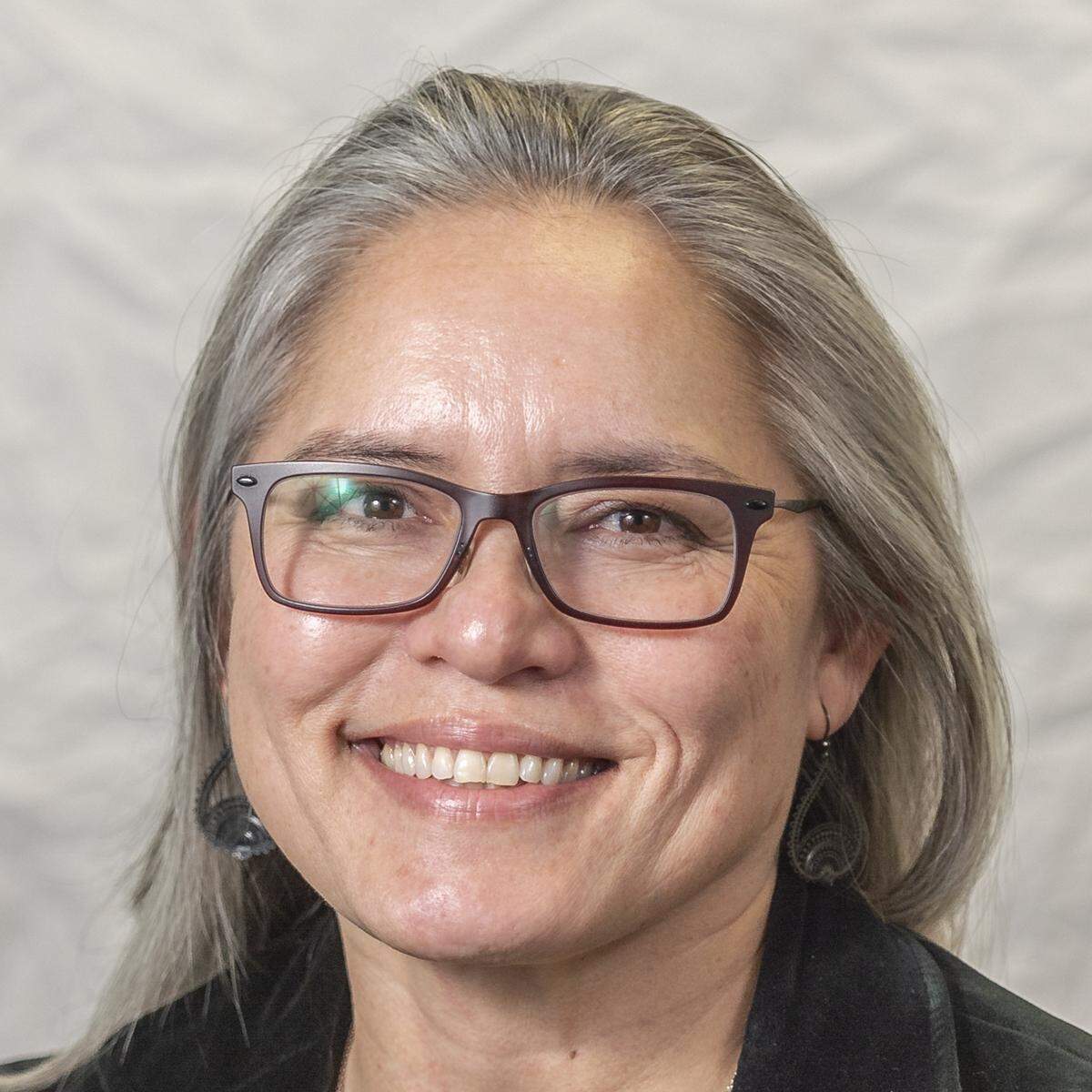
A look at one resident’s life in the center of an outbreak in Bellingham nursing home
Linda DiNicola hasn’t left her room at Shuksan Healthcare Center for about a week, since March 18, because of a COVID-19 outbreak at the Bellingham nursing home that has sickened 45 residents and workers.
The 68-year-old has tested negative for the respiratory illness and she has no symptoms, her daughter, Nicole DiNicola, said to The Bellingham Herald on Wednesday, March 25.
But because of the outbreak, she and other residents have been isolated in their rooms to try to protect them from the virus. Their meals are delivered to them. Her mom has been given two bed-baths in that time, Nicole said.
A total of 18 workers — Shuksan said on Thursday that seven more workers tested positive — and 27 residents at the nursing home have tested positive for COVID-19. They included a woman in her 90s who was a resident and died Wednesday, March 25, at the facility.
Shuksan has 98 employees and 38 residents.
Nicole said she last saw her mom, who has lived at Shuksan for six years, on Sunday, March 8.
The next day Shuksan called her to say that each resident could only get one visitor a day and that no children could enter the facility, which made it difficult, Nicole said, because she has three children who are 7, 4 and 1 years old.
With her husband working a lot, Nicole would have had to get someone to watch the kids. So she didn’t see her mom that week and then on March 16, Gov. Jay Inslee banned visitors from long-term care facilities, except for end-of-life situations, in order to protect residents, who are especially vulnerable to COVID-19 because of their age and underlying health conditions.
Since then, her mom has stayed in touch via FaceTime or Facebook Messenger. They connect at least twice a day, which allows her mom to see the children and for them to tell her what they’ve been up to.
“It’s nice for her but that’s it,” Nicole said, adding her mom’s only other contacts, for now, are the people coming in to take care of her.
Still, her mom has a positive attitude and is holding up well, Nicole said, adding that she’s staying connected to life outside her room via her TV, phone and the Internet.
Nicole admitted to being concerned about her mother’s stay at Shuksan amid the outbreak.
“Of course I’m worried, but there’s nothing I can do. I can’t care for her myself. I don’t have the proper equipment or space to do so,” she said Thursday. “I also don’t think they would let me take her at this point, even if I could.”
And while her mom hasn’t had any symptoms, Nicole said she and her family have been ill. It started with the children, who had mild cold symptoms, such as a runny nose and a little cough.
Then Nicole and her husband became sick — fever, dry cough, fatigue, body ache.
“It feels like you have a really bad flu,” she said.
Nicole said she wasn’t going to ask to be tested originally — she knew testing was limited and so restricted to certain groups — but she pushed her naturopath to test her in the hope that she could go see her mom should she become ill.
“You hear these horrible stories of people passing away and they never get to see their family,” Nicole said.
Nicole reasoned she could say that seeing her mom wouldn’t be too risky for her personally because she’d already had the illness.
She was told her test result would come back within five days and was still waiting for it as of Thursday.
Nicole had asked that her husband be tested, but the naturopath said no. She was told that if she tested positive, then her family had the illness as well.
Meanwhile, Nicole expressed confidence in Shuksan Healthcare Center’s handling of the outbreak.
“If anybody should be mad, it should be me. It’s an infection and there’s nothing we can do about it,” she said, adding that she wasn’t blaming anyone. “I feel they’re doing the best they can and they have a good handle on things.”
BEHIND THE STORY
MOREWhat you should know about the coronavirus
COVID-19, the new coronavirus, is a disease caused by a virus named SARS-CoV-2.
The disease is spread through contact between people within six feet of each other, especially through coughing and sneezing that expels respiratory droplets that land in the mouths or noses of people nearby.
Although most of the cases have been mild, the disease is especially dangerous for the elderly and others with weaker immune systems.
Click the drop-down icon in the upper right of this card for more information on symptoms and how to stop its spread.
What you can do
Here’s what you can do to protect yourself and others from COVID-19, according to the Whatcom County Health Department.
▪ Keep six feet between yourself and others when in public.
▪ Wash your hands often with soap and water for at least 20 seconds.
▪ Don’t touch your eyes, nose or mouth with hands that haven’t been washed.
▪ Cover your mouth and nose with a tissue when you cough or sneeze, throw the tissue in the trash and then wash your hands.
▪ Stay home if you feel sick. Avoid others who are sick.
▪ If your symptoms are severe and require medical care, call your doctor first.