This DIY backyard habitat can save an endangered species and keep your WA home insect free
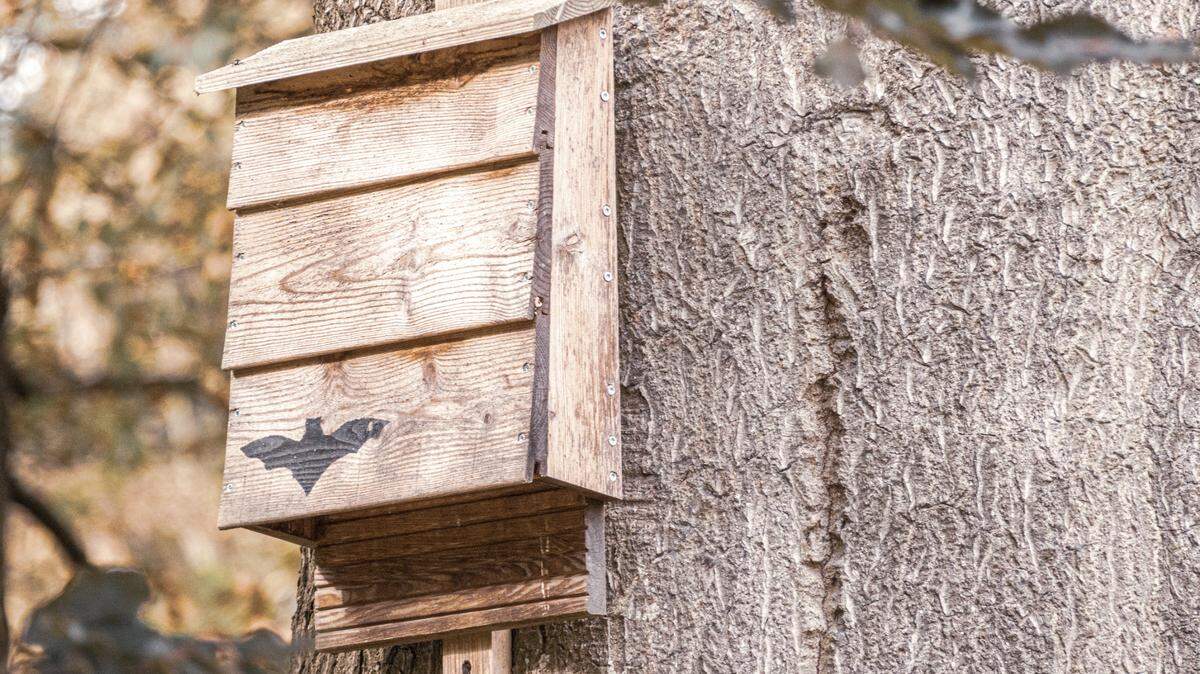
Washington state is home to fifteen species of bats, but according to the Washington Department of Fish and Wildlife, these species face serious threats to their habitat and safety that kill a large amount of the population.
Habitat loss, windmill turbines, white-nose syndrome and climate change are all factors that have caused the deaths of large amounts of bats, according to the National Park Service.
Although some Washington residents may not like the creatures, bats provide benefits that could make building a bat house, a man-made bat habitat near your home, something to consider.
According to the Washington Department of Fish and Wildlife, bats are very beneficial for people as they are predators of insects such as mosquitoes, flies, termites, moths and beetles. Although birds also prey on insects, at night bats take over to control the insects.
Some bat species also eat spiders, scorpions, crickets, grasshoppers and other insects on the ground or in trees.
But before you go building your own bat habitat, it is also important to know what to do, and what to not do when you find a bat, as some bats carry diseases such as rabies.
Bat houses provide a safe place for bats to go other than your own home. “Bats living in human spaces increase the likelihood of injury to the bats and potential rabies exposures to humans. Bat houses reduce the risk of human contact, and provide a warm safe space just for bats,” Kara D. McClanahan, instructional support supervisor at Washington State University’s School of Biological Sciences wrote in an email to McClatchy.
According to the Washington state Department of Fish and Wildlife, if you find a bat you should follow these steps:
▪ Do not touch the bat and leave it in its place.
▪ If you must move the bat or remove it from its place, use thick gloves, a shovel or a box to safely move the bat.
▪ If you find a sick, injured or dead bat, report them online to Fish and Wildlife.
▪ If you have touched a bat or have any exposure contact your local health department immediately.
Why should I build a bat house?
When winter weather comes around, bats need to find a hibernation site, or a hibernaculum, according to the department.
“Bats are voracious insect eaters, and love to eat many insect species that are annoying or detrimental to humans. Mosquitos, moths and flies are among their favorites, and are also among the species that humans tend to consider pests. Bat houses allow bats to remove these pests around your home and garden, reducing the need for insecticide use,” McClanahan wrote.
Building a bat house is not only a way to provide a safe habitat and nursery for the creatures, but it also can create the opportunity to observe bats and educate others on the species and their needs, a blog post from The Washington Department of Fish and Wildlife states.
Bat houses also provide clean homes free of white-nose syndrome where bats can raise their young and have reduced contact with humans, according to the Commonwealth of Massachusetts division of fisheries and wildlife.
How to build a bat house
The National Wildlife Federation, a conservation organization, encourages those wanting to build a bat house to choose a location that receives lots of sunshine, is at least 15 feet above the ground and has a water source nearby for bats to drink.
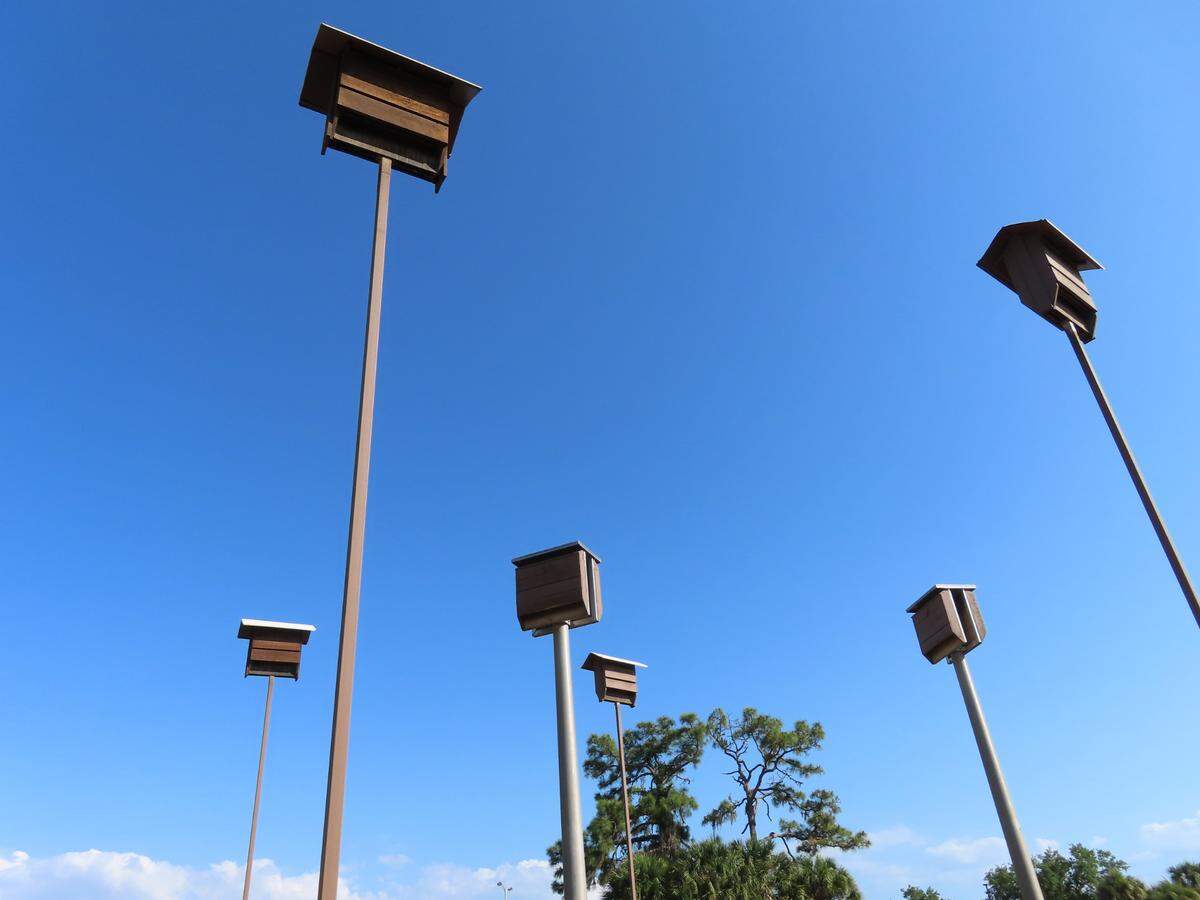
The NWF’s website goes through the eight steps of building a bat house, including cutting the wood, staining the inside of the bat house to create a dark habitat for them, assembling each side of the house and mounting the bat house on your home or another elevated spot.
The NWF encourages using a bat house construction plan from Bat Conservation International, a bat conservation organization, which requires these supplies:
▪ 2-feet by 4-feet of plywood that has not been pressure treated.
▪ 20 to 30 Phillips head screws, 1 ¼” exterior grade.
▪ One pint of dark, water-based, exterior-grade stain.
▪ One pint of water-based, exterior-grade primer.
▪ One quart of flat, water-based exterior grade paint or stain.
▪ One tube of paintable latex caulk.
▪ One 1-inch by 3-inch by 28-inch board for the roof.
Those building the bat house will also need the following tools, according to the federation:
▪ Caulking gun.
▪ Paintbrushes.
▪ Phillips head bit for drill.
▪ Tape measure or yardstick.
▪ Variable speed reversing drill.
This story was originally published November 16, 2022 at 11:06 AM with the headline "This DIY backyard habitat can save an endangered species and keep your WA home insect free."