
When one of your medicines is recalled, here’s your first step
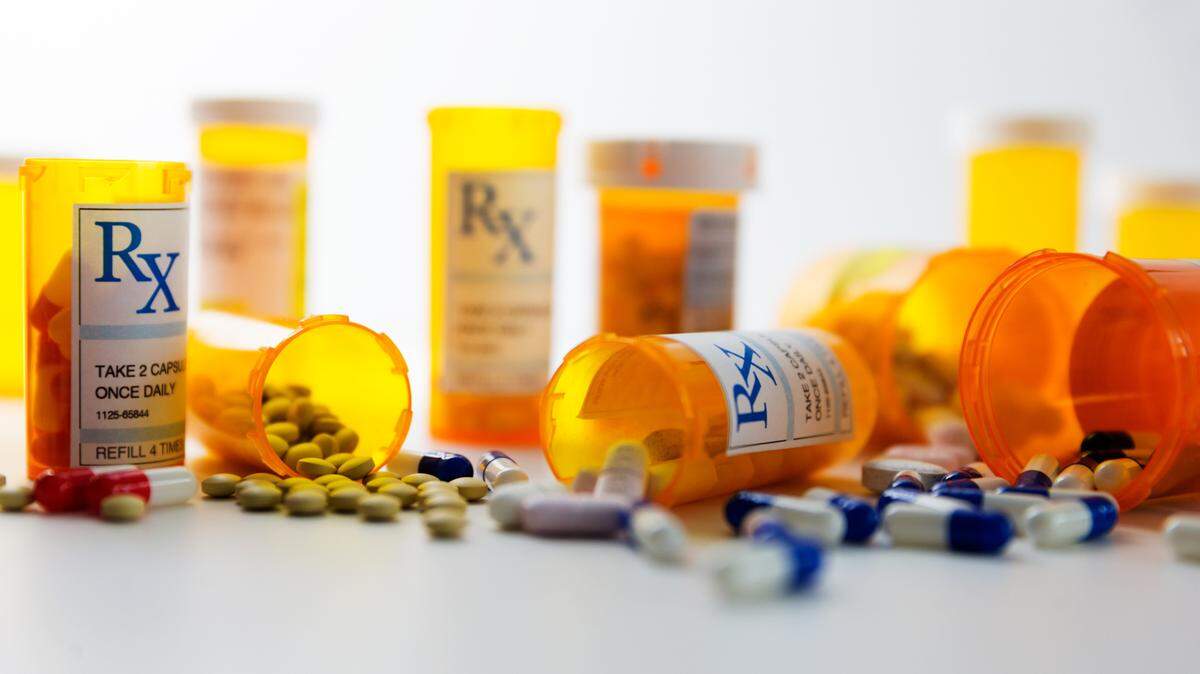
Drug recalls are not uncommon. They occur routinely every year, and the FDA has implemented measures to ensure that these are handled properly and promptly.
That means alerting the public, classifying the type of drug recall, and safely removing the affected product from the market.
One of the first lines of defense is your pharmacist. If you are alerted that a prescription drug, or over-the-counter drug, that you’re taking has been recalled, there are several things you should do, according to Kendra Van Den Top, a pharmacist at Hoagland Pharmacy in Bellingham.
▪ Don’t make a rash decision and stop taking the medication.
▪ Call your local pharmacist. Pharmacists are prepared to answer patient and prescriber questions and concerns when a drug recall occurs and are often instrumental in ensuring that patient care is not interrupted or compromised. Pharmacists are usually willing to coordinate your prescription needs with your physician.
▪ Contact your physician.
▪ Visit the FDA website, but be careful to make sure you have exact lot number and other pertinent details relative to your specific medication. Not all recalls are announced on the website or via the news media, since public notification is typically released only if a recalled product has been extensively distributed or poses a serious health hazard.
▪ Don’t panic.
A drug recall is designed to protect the public from a defective or potentially harmful product.
Van Den Top has been with Hoagland Pharmacy for nearly two years. She said drug recalls occur every few months.
A recall is defined as an action executed by a manufacturer at any time to remove a defective or harmful drug product from the market when the drug is discovered to be in violation of laws and regulations that the FDA administers, according to the FDA. Drugs may be recalled for an assortment of reasons, including safety, mislabeling, contamination and deviations in strength or potency.
Recalls may be conducted as a voluntary action by the manufacturer or supplier; by request from the FDA; or by a legally mandated order from the FDA.
Upon notification of a product recall, Hoagland Pharmacy will reach out to each patient that received the product and make necessary arrangements to pick up any of it remaining in the home as well as replacing it. Replacement is at no charge to the patient.
Van Den Top emphasized the importance of calling your specific pharmacy to find out how they address recalls.
The majority of drug recalls are voluntary; the manufacturer identifies an issue and recalls the affected drug. However, sometimes a drug is recalled after the FDA raises concerns.
Approximately 80% of medications that Americans take contain some component manufactured abroad, primarily in China and India. While these manufacturing processes aid in keeping the costs of medications down, this also has created a supply chain that can be challenging to keep track of, which may increase the number of drug recalls. According to a recent report by Kaiser Health News, thousands of drugs are recalled annually after reaching pharmacies; the recalls eventually impact patients when prescriptions are filled.
Correspondent Cindy Uken is an award-winning veteran journalist.