
Why am I seeing more deer on WA roads right now? Here’s how to avoid hitting them
You’re driving down a rural highway in Washington state at dusk when a deer steps out in your road.
As your car approaches, the antlered animal freezes — temporarily blinded by the vehicle’s headlights.
Without enough time to swerve or slam on the breaks, you crash into the critter.
“Vehicles kill hundreds of deer each year in Washington,” the Washington Department of Fish & Wildlife said in its guide “Living With Wildlife: Tips for Driving in Deer Country.”
Lately, deer carcasses have been turning in increasing numbers along roads in Whatcom County.
Why are we seeing more deer right now? What are the best ways to avoid a collision with one?
Here’s what to know:
When are deer and elk most active?
“Deer will cross roads at any time of day or night, creating a hazard” for drivers, passengers and the deer themselves, according to the Washington Department of Fish & Wildlife.
However, you’re more likely to spot deer and elk during particular times of day.
“Dawn and dusk are the most likely times of day you may see deer and elk along roadways due to those animals’ natural behaviors,” Jennifer Sepulveda, communications manager for the Washington Department of Fish & Wildlife, wrote in an email to The Bellingham Herald.
“Depending on the time of year, deer and elk may cross roadways in search of food, a mate or new habitat,” Sepulveda said.
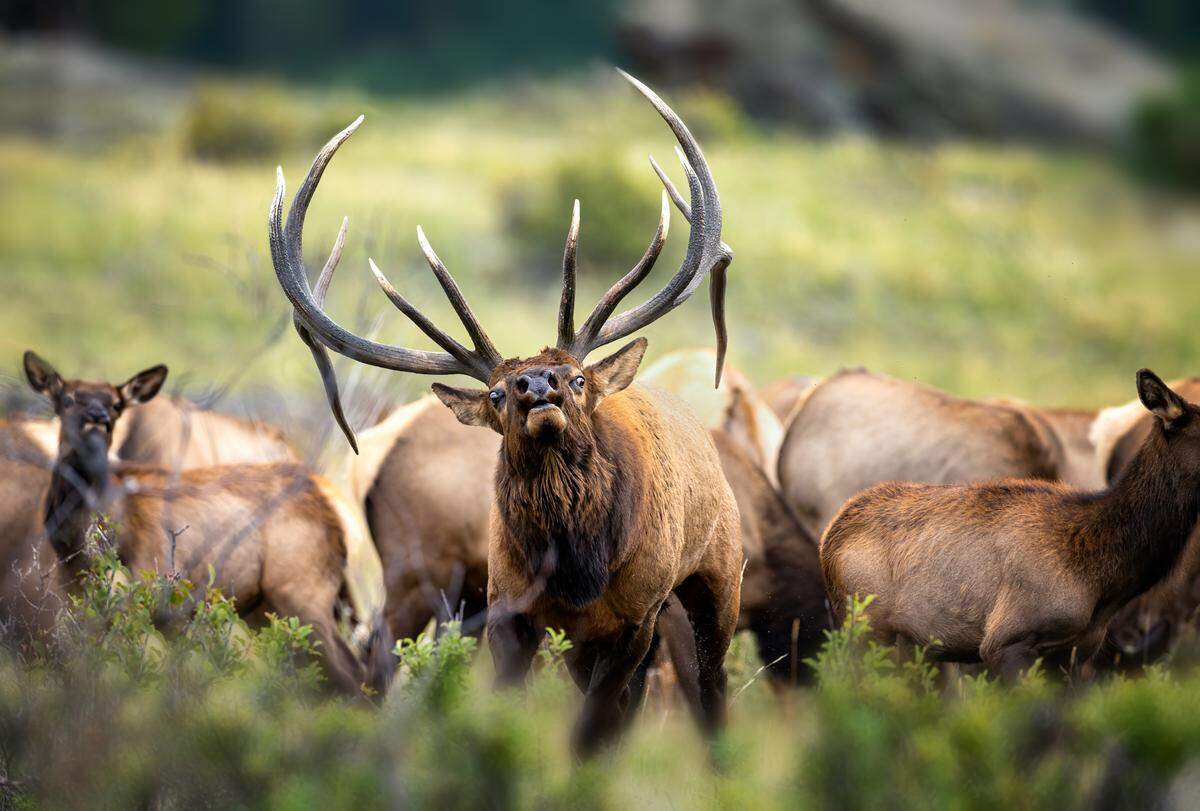
Why am I seeing more deer right now?
According to Sepulveda, deer tend to move around during the late spring and autumn to breed or find food sources.
Deer, elk and other cervids in North America build up their “nutritional reserves during the summer and fall, and mostly live off those reserves over the winter,” the Washington Department of Fish & Wildlife said in a 2023 article. “This means they are working hard to store up fat reserves now by moving to areas where foraging is better, to balance activity versus energy reserves when the weather cools down.”
In the summer, you might find black-tailed deer in the meadows of Mount Rainier National Park, “munching on grasses and other vegetation,” the National Park Service said in a 2021 Facebook post.
In the fall, many deer migrate “from high country to lower elevations where they spend the winter,” state wildlife officials said.
More than half of all deer-versus vehicle collisions occur in October and November, the state Fish & Wildlife said, noting that “mating season and peak days for hunting may account for this.”
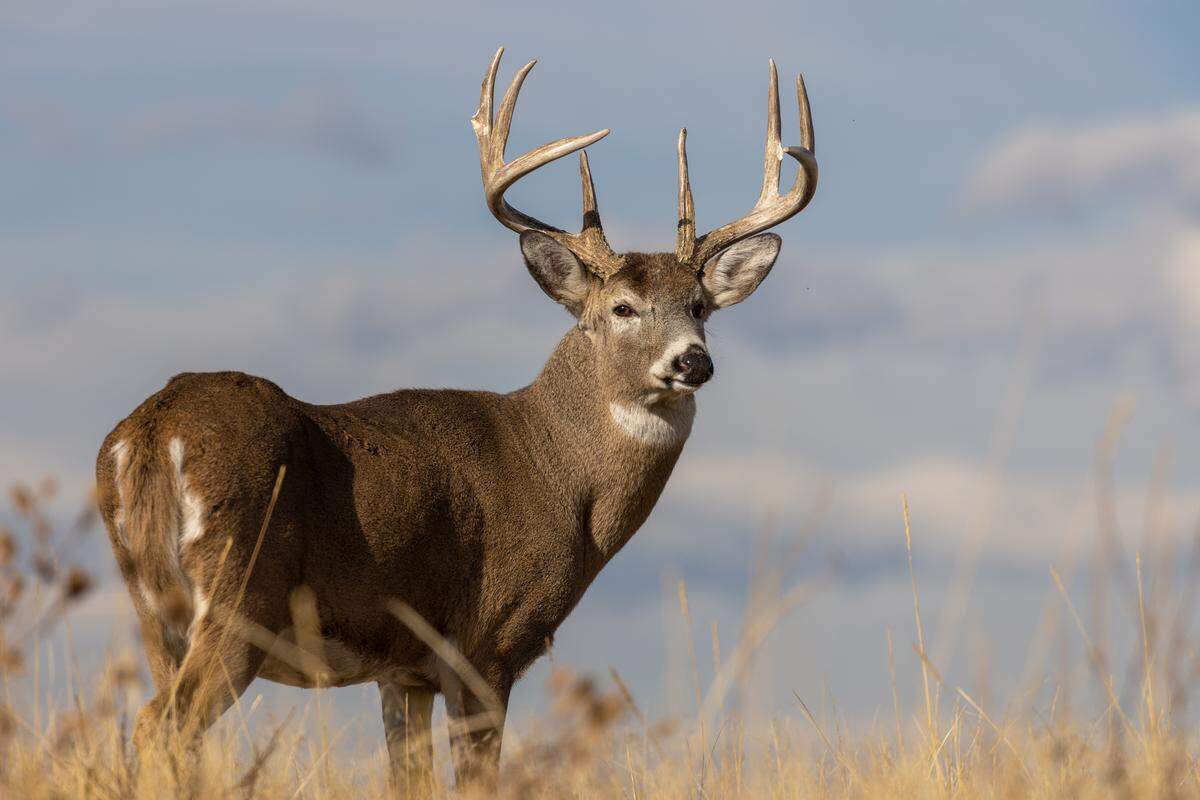
Where are deer-involved car crashes most common?
While moving from one range to another, deer often cross busy highways.
Roadways with high traffic volumes “can force deer into dangerous situations with vehicles, as well as endanger human lives,” the Washington Department of Fish & Wildlife said.
“High numbers of wildlife/vehicle collisions frequently occur in areas where large numbers of deer and elk are present directly adjacent to high-traffic-volume highway segments, the Washington State Department of Transportation said.
In Western Washington, the state agency said, areas with numbers of car-versus-wildlife collisions include highways close to Willapa Bay, Interstate 90 near North Bend and State Route 20 and State Route 525 on Whidbey Island.
In Eastern Washington, areas with high roadkill counts include state highways in the Spokane area, near Wenatchee and in the Methow and Okanogan river valleys, as well as U.S. 97 north of Goldendate and Interstate 90 near Easton.
Deer accounted for more than half of the 39,258 wildlife carcasses the Washington State Department of Transportation removed from state highways from 2019 to 2023.
How can drivers say safe around deer?
State wildlife officials offered tips for driving in deer country.
They include:
- Be especially watchful during dawn and dusk, when deer are most active.
- Be cautious while passing other vehicles.
- Take note of deer-crossing signs and drive accordingly.
- Drive more slowly at night, giving yourself time to see a deer with your headlights.
- Be especially watchful when traveling near steep roadside banks.
“If a collision with a deer seems imminent, take your foot off the accelerator and brake lightly,” the Washington Department of Fish & Wildlife said, keeping “a firm hold on the steering wheel while keeping the vehicle straight.”
However, you should not swerve in an attempt to miss the deer, as this could result in more damage to your car and yourself.
“Motorists can help avoid a collision by slowing down and staying extra alert (driving defensively), especially during the rut or migratory seasons in spring and fall,” Sepulveda said.
Sepulveda said you should “monitor any potential wildlife activity on road shoulders as if it were another traffic lane.”
“If you see wildlife in or near the road, slow down and be prepared for the animal to potentially approach your vehicle,” the wildlife official said.
What should I do if I hit a deer?
“If you accidentally hit and kill a deer, try to move the animal off the road — providing you can do so in complete safety,” the state Fish & Wildlife Department said.
You should report the location of the deer’s body to the city, county or state highway department that has jurisdiction for the road.
You can also call your local non-emergency number for your police department, so the body can be removed.
“This will prevent scavengers from being attracted onto the road, and eliminate a potential traffic hazard,” state wildlife officials said.