‘Flood cars’ may be a problem for Whatcom used car buyers; here’s how to avoid being taken
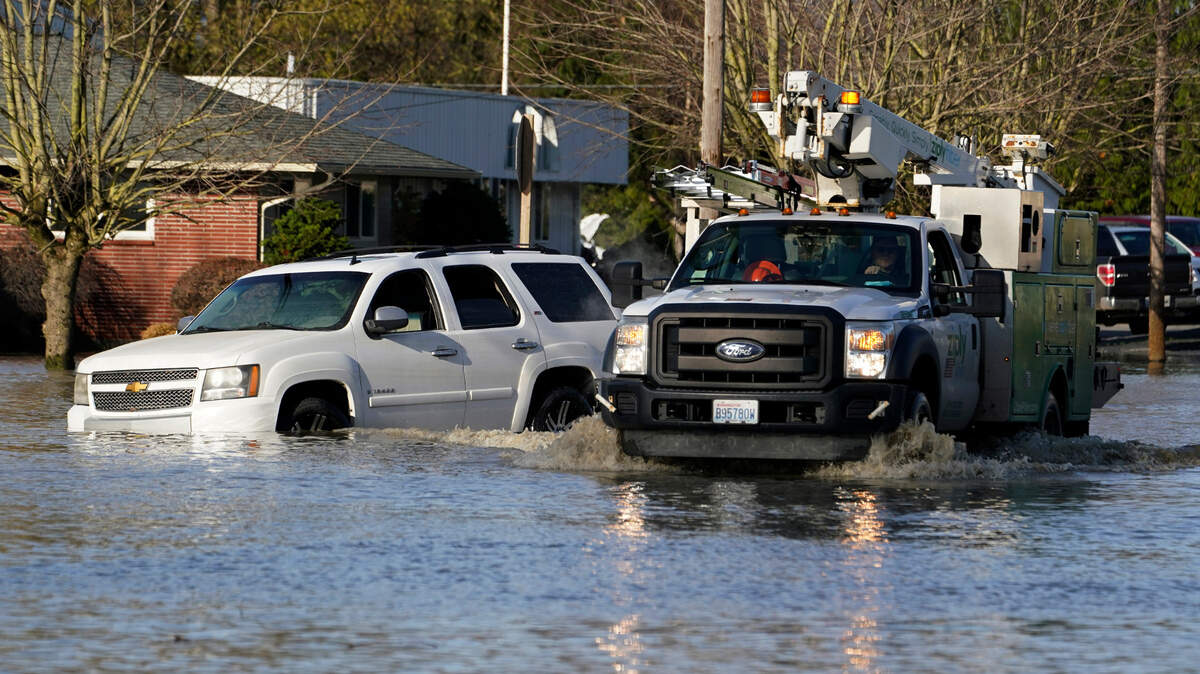
Whatcom County is going to be feeling the effects of the mid-November “Pineapple Express” storm and the flooding it caused for months and possibly years to come.
Last week, Whatcom County Sheriff’s Office Division of Emergency Management Director John Gargett gave a rough estimate of at least $50 million in damage caused by the floodwaters.
But even areas of the county that didn’t find themselves under several feet of water could feel the impacts, according to a release by Pemco Insurance.
“Flood cars,” or cars that get caught and damaged in floodwaters, are a danger for potential car buyers, Pemco spokesperson Derek Wing told The Bellingham Herald.
“After a severe flooding event like what we’ve seen in Whatcom County recently, more flood cars find their way back to the streets again — and oftentimes are sold to unwitting buyers,” Wing wrote in an email. “However, it’s important to be aware of flood cars, regardless of the weather or recent events. Sellers can wait months before trying to sell a flood car and sometimes they’ll try to sell the vehicle outside of the area it was damaged.
“If you suspect that a vehicle may have been flooded, don’t buy it; you’ll save yourself trouble down the road.”
According to a Carfax story in September, Hurricane Ida and other powerful storms damaged as many as 212,000 vehicles, mostly in New York City, New Jersey and Louisiana. Many of them were expected to find their way back onto the road, adding to the 378,000 flood-damaged cars Carfax data showed were already on U.S. roads.
Flood cars that are resold to unsuspecting used car buyers can end up costing them money or even be dangerous to drive, Wing said.
“Purchasing a flood car can lead to several issues for the buyer,” Wing said. “A flooded car is similar to a computer that has been dropped in water. It may run again, but it will likely never be the same.
“When a car is flooded, almost every system in the car can be damaged, not just the interior accessories you can see. Flooding can compromise computer systems, wiring and damages everything from airbags to dashboard displays making it unsafe to operate.”
So how can Whatcom County car buyers avoid purchasing a flood car? Pemco offered these tips for spotting one:
▪ Check for mud or debris in brackets or on panels where you wouldn’t expect it to naturally settle. A water line on the inside of the car also is a likely sign the car was in floodwater.
▪ See if wiring under the dashboard bends or cracks by flexing it, as wet wire become more brittle and is prone to fail once it dries.
▪ Look at the lights closely and turn them on, as there may be evidence of a water line in lenses.
▪ Thoroughly check all electrical systems.
▪ If any dashboard warning lights are on, find out why.
▪ Stained seats, upholstery, carpeting or door panels are a sign the car was full of floodwater. Mismatched or poorly fitting carpet is also a sign it may have been replaced.
▪ See if water may have been drained out of the car by checking to see if rubber drain plugs under the car and in the bottom of doors have been removed.
▪ Look for corrosion on the car’s undercarriage, brake lines, around the fuel tank or on spring and shock towers.
▪ Have the car checked out by a trusted mechanic, who can perform tests and spot signs of water damage.
“It isn’t always easy to spot a flood-damaged car at first glance, but by doing your due diligence you can avoid the hazards of buying one of these cars,” Wing said.
He advises checking the title of the car to see its history. Though “flood” is unlikely to be listed in the title, he said words, such as “rebuilt” or “salvage,” may be.
A vehicle history report also could provide a look at the car’s past.
“Purchasing a flood car is usually a bad financial decision,” Wing said. “Though the car may seem to function properly upon first inspection, buyers will likely run into trouble in the future.”
This story was originally published December 6, 2021 at 5:00 AM.